
Timeless White Sconce: Perfect for Neutral Interiors
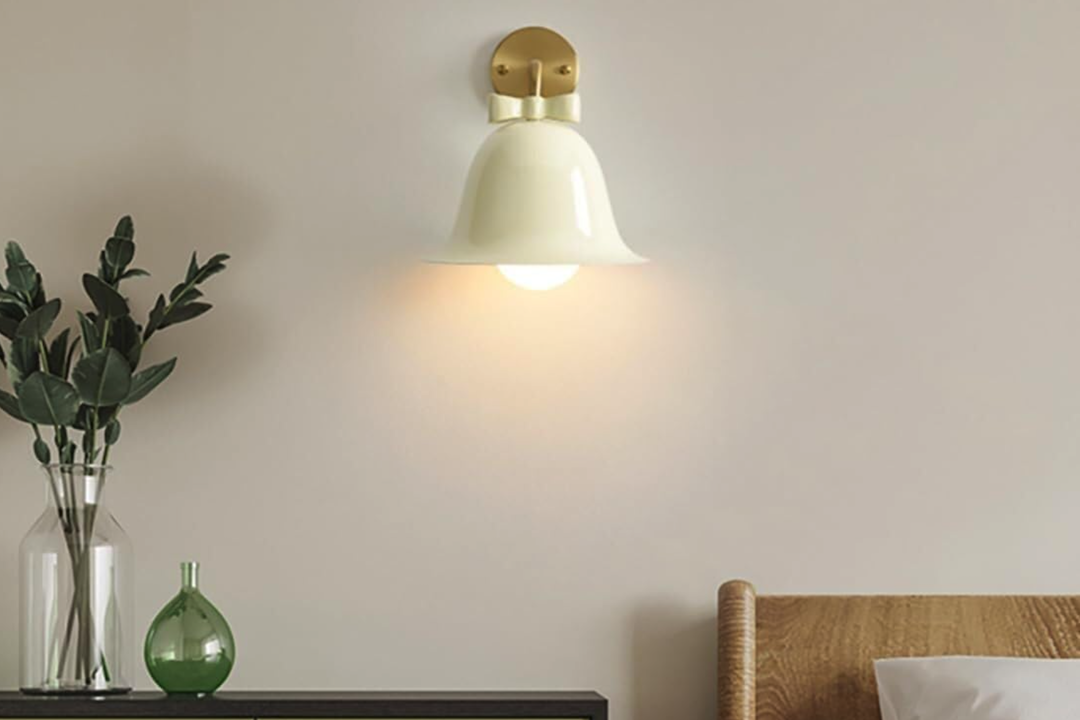
This article examines the characteristics and applications of the “Timeless White Sconce” in interior design, particularly within neutral schemes. It offers a dispassionate analysis of its features, versatility, and historical context.
The white sconce, as a lighting fixture, embodies a design approach prioritizing understated elegance and functional illumination. Its pervasive presence across various design epochs underscores its adaptability, functioning as a silent partner in the visual symphony of an interior. Unlike more ornate or color-driven fixtures, the white sconce operates as a visual anchor, providing illumination without competing for focal attention. This characteristic makes it particularly amenable to integration within neutral interior palettes, where the emphasis often lies on subtle textures, natural light Villenas, and a harmonious flow of space.
The Anatomy of Simplicity
A survey of white sconces reveals a fundamental simplicity in form. They are typically wall-mounted fixtures, projecting light either upwards, downwards, or in both directions. The “timeless” appellation derives from their ability to transcend transient design trends. Consider, for instance, a classic cylindrical or rectangular sconce; its fundamental form remains consistent whether fabricated in metal, ceramic, or glass. This inherent simplicity allows the fixture itself to fade into the background, permitting the light it emits to take precedence. The material choice, while influencing texture and light diffusion, rarely deviates from a monochromatic or near-monochromatic color scheme when adhering to the “white” designation. This self-imposed limitation is, paradoxically, its strength, fostering a universal appeal.
Material Considerations
The material composition of a white sconce significantly impacts its aesthetic and functional characteristics. Common materials include:
- Metal: Powder-coated steel, aluminum, or brass (often painted white) offers durability and a clean, crisp finish.
- Ceramic: Provides a slightly softer, more artisanal aesthetic, often with a subtly textured surface.
- Glass: Typically frosted or opalescent, glass diffuses light uniformly, creating a softer glow.
- Plaster: Offers a seamless integration with painted walls, often appearing as an extension of the architectural surface.
The choice of material, therefore, becomes a nuanced decision reflecting the desired textural interplay within the overall neutral scheme. For example, a sleek metal sconce might complement a minimalist interior, while a ceramic fixture could enhance a wabi-sabi inspired space.
Interplay with Neutral Interiors
Neutral interiors, characterized by a restricted color palette primarily consisting of whites, grays, beiges, and muted earth tones, find a natural complement in the white sconce. The sconce acts as a silent enhancer, contributing to the overall luminosity and textural depth without introducing chromatic tension. It avoids the visual conflict that a brightly colored or highly patterned fixture might create in such schemes. Its role is analogous to a well-placed pause in a musical composition – it allows other elements to resonate more clearly.
Defining “Neutral”
It is crucial to understand that “neutral” does not equate to “absence of color.” Rather, it signifies a deliberate restraint in the application of saturated hues. A neutral interior is a canvas upon which texture, form, and light play primary roles. Consider a room painted in off-white; the presence of a white sconce, even without contrast, introduces a subtle shift in plane and a source of directional light, adding depth rather than flatness. The relationship between the white sconce and a neutral wall is akin to that between a cloud and the sky – both distinct yet harmoniously integrated.
Enhancing Layered Lighting
In a neutral interior, where the absence of bold color highlights the importance of light, the white sconce plays a crucial role in layered lighting schemes. Layered lighting typically involves ambient, task, and accent lighting.
- Ambient: General illumination, often provided by overhead fixtures, recessed lighting, or large windows.
- Task: Directed light for specific activities, such as reading or working.
- Accent: Highlights specific architectural features or artwork.
A white sconce predominantly excels as a source of ambient or accent lighting. When strategically placed, it can wash a wall with light, creating a perceived increase in space, or highlight a textured surface, drawing the eye to subtle details that might otherwise be overlooked. Its neutrality ensures it does not detract from the elements it is intended to illuminate or the overall ambient glow. This meticulous orchestration of light is paramount in neutral designs, where light itself becomes a powerful design element.
Placement and Application Strategies
The strategic placement of a white sconce is critical to maximizing its functional and aesthetic impact. Its intrinsic simplicity allows for a wide range of applications, each contributing to the overall design narrative. Consideration of beam spread, height, and proximity to other design elements is paramount.
Architectural Illumination
White sconces are adept at highlighting architectural features. When positioned to graze a textured wall, such as exposed brick or paneling, they reveal depth and shadow, transforming a flat surface into a dynamic visual element. This technique is particularly effective in neutral interiors where material texture is a key design component. A series of white sconces along a corridor can also create a rhythmic visual procession, guiding the eye and providing functional pathway lighting without overwhelming the space. The light they cast acts as a sculptor, revealing the form and character of the surrounding architecture.
Functional Task Lighting
While often associated with ambient or accent lighting, certain white sconce designs can serve as effective task lighting. Consider a swing-arm sconce mounted beside a bed or above a desk. Its adjustable nature allows for directed illumination, while its white finish ensures it integrates seamlessly with the surrounding decor, avoiding visual clutter. In a minimalist or neutral workspace, for instance, a white task sconce provides focused light without introducing a jarring element. The function dictates the form, and in these instances, the unobtrusive nature of a white sconce is a distinct advantage.
Creating Visual Symmetry and Balance
In interior design, symmetry and balance contribute to a sense of order and tranquility. White sconces, due to their inherent simplicity, are excellent tools for achieving this. Placed on either side of a fireplace, a doorway, a mirror, or a piece of artwork, they establish a visual equipoise. This symmetrical arrangement provides a sense of grounding within the space, enhancing the feeling of calm often sought in neutral interiors. The sconces act as bookends, framing a central element and contributing to a harmonious visual composition.
Historical and Contemporary Relevance
The appeal of the white sconce is not a recent phenomenon but rather a continuation of design principles that value clarity and functionality. Its journey from historical utility to contemporary design icon reflects its inherent adaptability.
Echoes of Traditional Design
Historically, sconces were often utilitarian fixtures, providing light in hallways, stairwells, and larger spaces before the advent of widespread electric lighting. While finishes varied, the underlying principle of a wall-mounted light source remained consistent. In traditional homes, white or off-white sconces would have provided a clean aesthetic, complementing intricate moldings and classical architectural details without competing for attention. Their integration into such environments demonstrated an early understanding of their ability to enhance rather than detract.
Modernist and Minimalist Integration
The 20th century saw a resurgence of the white sconce, particularly in modernist and minimalist movements. Architects and designers like Ludwig Mies van der Rohe and Le Corbusier championed “less is more,” and the white sconce, with its pure form and unadorned surface, aligned perfectly with this philosophy. In contemporary minimalist interiors, the white sconce is often designed with sharp lines, geometric shapes, and concealed light sources, further emphasizing its minimalist credentials. It becomes an extension of the wall itself, its presence marked more by the light it casts than by its physical form. This evolution showcases its capacity to adapt to diverse aesthetic demands while retaining its core identity.
Maintenance and Longevity
The practicality of the white sconce extends to its maintenance and projected lifespan. These factors contribute to its “timeless” appeal, as ease of upkeep and durability are attributes of enduring design.
Cleaning and Care
Maintaining a white sconce typically involves simple dust removal with a soft, dry cloth. For more persistent marks, a slightly damp cloth with a mild, non-abrasive cleaner can be used, followed by a dry wipe. The absence of intricate patterns or multiple colors simplifies the cleaning process, ensuring the fixture retains its pristine appearance over time. This low-maintenance aspect is particularly appealing in high-traffic areas or commercial settings where regular upkeep is a practical consideration.
Durability and Material Quality
The longevity of a white sconce is largely dependent on the quality of its materials and construction. High-quality metal finishes, durable ceramics, and robust glass components ensure resistance to wear and tear. Furthermore, the inherent neutrality of white means that minor imperfections or dust are less conspicuous than on brightly colored or highly patterned surfaces. Investing in well-constructed fixtures thus translates to a longer service life and less frequent replacement, aligning with sustainable design principles. A well-chosen white sconce is not merely a purchase but an investment in an enduring element of interior design.

You May Also Like
Bohemian Woven Lamp: Adding Style to Your Space
March 18, 2025
Bedroom Dressers: A Stylish and Functional Addition to Your Space
December 14, 2022
Embrace Bohemian Elegance with a Balcony Chandelier
February 15, 2025
Create an Elegant Bedroom with an Italian Chandelier
August 5, 2025

Bedroom Bliss: Elevate Your Space with a Stunning Chandelier
February 16, 2024
+ There are no comments
Add yours