
Creating a Calm Nursery: Soothing Night Light Tips
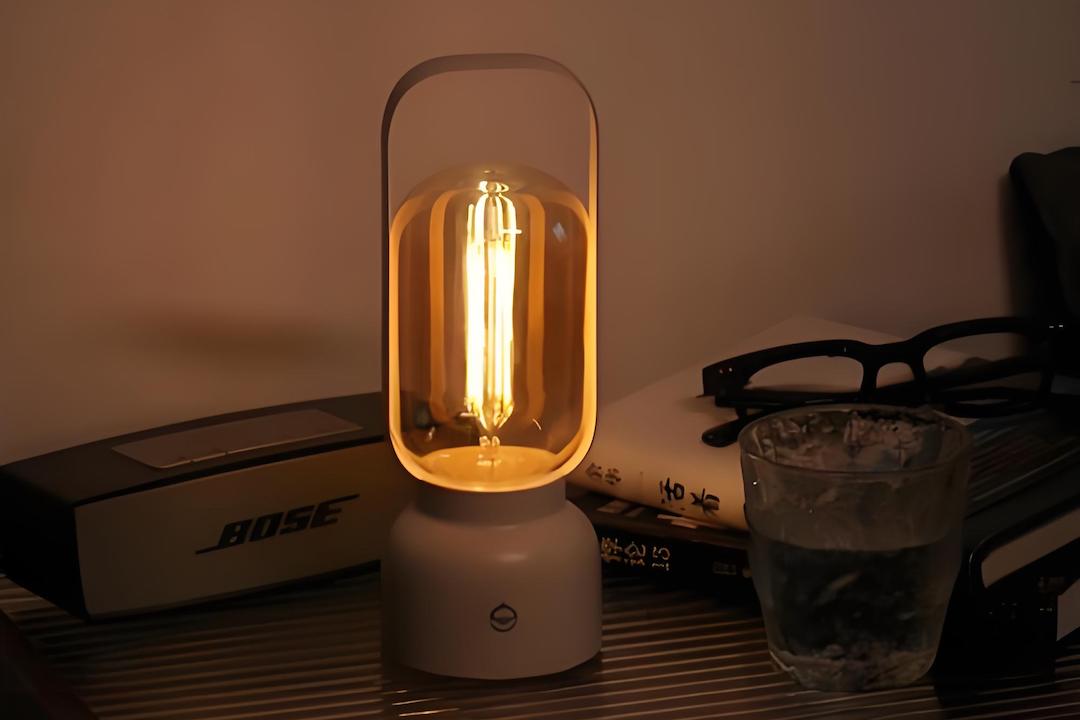
A nursery’s ambiance plays a significant role in an infant’s development and well-being. Among the various elements contributing to this environment, lighting, particularly at night, is a crucial consideration. A well-chosen night light can transform a dimly lit room from a potential source of anxiety for both infant and caregiver into a sanctuary of peace. This article explores the practicalities and benefits of incorporating a soothing night light into a nursery, focusing on tips for creating an environment conducive to rest and comfort. Think of the nursery as a seedling’s pot; the right environment will help it grow strong and healthy.
The nocturnal environment of a nursery has a profound impact on an infant’s sleep patterns and overall comfort. As newborns adjust to the world outside the womb, their internal clocks, or circadian rhythms, are still developing. Consistent and appropriate illumination, even during sleep hours, can contribute to this process.
The Role of Circadian Rhythms in Infant Sleep
Circadian rhythms are the natural, internal processes that regulate the sleep-wake cycle and repeat roughly every 24 hours. In infants, these rhythms are immature at birth and gradually mature over the first few months of life. Exposure to light zomier and darkness plays a vital role in synchronizing these internal clocks with the external environment. During daylight hours, natural or artificial light signals wakefulness, while darkness at night promotes sleep.
Why Dim, Warm Light is Preferable for Nighttime
Harsh or bright lights, especially those emitting a blue spectrum, can disrupt the production of melatonin, a hormone essential for sleep regulation. Melatonin production is naturally suppressed by light and increases in darkness. Therefore, during nighttime hours in the nursery, it is crucial to use lighting that is dim and emits a warm color temperature. Warm light, typically in the yellow, orange, or red spectrum, is less likely to interfere with melatonin production, signaling to the infant’s developing system that it is time to rest. Think of it like a gentle hand on a small shoulder, guiding them towards sleep.
Avoiding Overstimulation and Promoting Relaxation
The nursery should be a haven of tranquility. Overly bright or stimulating lights can trigger wakefulness in infants, interrupting their sleep cycles and making it harder for them to resettle. Conversely, a gentle, consistent light source can create a sense of security and familiarity, reducing anxiety. This is particularly important for infants who may experience periods of wakefulness during the night. A calm light acts as a comforting presence, like a familiar lullaby whispered in the dark.
Choosing the Right Type of Nursery Night Light
The market offers a wide array of night lights, each with its own features and benefits. Careful selection is key to ensuring the chosen light serves its purpose effectively without introducing unintended consequences.
Dimmable vs. Fixed Brightness Lights
Dimmable night lights offer the greatest flexibility. They allow caregivers to adjust the light intensity to suit the specific needs of the infant and the time of night. A very dim setting might be ideal for deep sleep, while a slightly brighter, yet still warm, setting could be useful for night feedings or diaper changes, minimizing disturbance. These lights act like a dimmer switch on a theatre light, allowing for precise control.
Fixed brightness lights, while simpler, can be problematic if their light output is too high or too low. If fixed at a brighter setting, they can disrupt sleep. If too dim, they may not provide sufficient illumination for caregivers to navigate the room safely or check on the infant without fumbling, potentially leading to accidental noise.
Color Temperature: Warm Tones are Key
As previously discussed, color temperature is a critical factor. Look for night lights that emit a warm color, often described as “warm white” (around 2700 Kelvin or lower), or hues of amber, orange, or red. These colors mimic natural twilight and are less disruptive to melatonin production. Avoid night lights that produce a bright white or blue light, as these are akin to daylight and can signal wakefulness. The difference is like the soft glow of a candle versus the stark beam of a spotlight.
Material and Design Considerations
The materials used in a night light should be safe and non-toxic. For wall-mounted or plug-in units, ensure they are securely fitted and do not pose a hazard if the infant happens to touch them. The design should be simple and unobtrusive, blending into the nursery’s aesthetic rather than becoming a focal point of potential overstimulation. Avoid lights with flashing elements or intricate moving parts that could be distracting.
Plug-in vs. Battery-Operated Options
Plug-in night lights offer a consistent and reliable power source, eliminating the need for battery replacement. However, they require access to an electrical outlet, which might need to be strategically placed to avoid being a tripping hazard or within reach of a curious infant as they grow.
Battery-operated night lights offer greater portability and can be placed anywhere in the nursery. This flexibility can be advantageous, for instance, if you wish to move the light to a different area of the room or take it on trips. However, it is essential to regularly check and replace batteries to ensure the light functions when needed. The battery-operated option is like a portable compass, guiding you with illumination wherever you go.
Strategic Placement of Nursery Night Lights
Where you position the night light within the nursery can significantly impact its effectiveness. The goal is to provide a gentle illumination without casting harsh shadows or creating direct glare.
Avoiding Direct Glare on the Crib
The primary objective of a nursery night light is to offer comfort and visibility without disturbing the infant’s sleep. Therefore, it is crucial to position the light so that it does not shine directly into the crib. Direct glare can be intensely stimulating and can disrupt sleep patterns. Imagine trying to sleep with a spotlight in your eyes; the same principle applies to an infant.
Illuminating Key Areas for Caregivers
While avoiding glare on the crib, the night light should still provide sufficient illumination for essential caregiver tasks. Strategic placement can ensure that the changing table, feeding area, or a path to the crib is softly lit. This allows for discreet checks on the infant, night feedings, and diaper changes without the need to switch on brighter room lights, which are far more disruptive. Think of it as casting a gentle spotlight on the stage of nightly care.
Considerations for Different Nursery Layouts
The ideal placement will vary depending on the nursery’s size and layout.
For Smaller Nurseries
In smaller rooms, a single, low-mounted night light on a wall can be effective. Placing it on a wall opposite the crib, perhaps near the door or a closet, can provide ambient light without being too close to the sleeping area.
For Larger Nurseries
Larger nurseries might benefit from a slightly different approach. A night light could be placed near the feeding station or changing area, while another, perhaps even dimmer, light could be positioned further away from the crib to offer a general sense of ambient light. Alternatively, a plug-in light on a lower outlet can cast a soft upward glow.
Plug-in Outlet Placement
When using plug-in night lights, consider the height of the outlets. Placing them on lower outlets can direct the light upwards, creating a softer, more diffused illumination that is less likely to cast harsh shadows or beams. This is like using the floor as a reflective surface to bounce light gently.
Features to Enhance Soothing Qualities
Beyond basic illumination, certain features can elevate a night light’s ability to promote calm and rest. These additions can transform a simple light source into a more comprehensively comforting tool.
Automatic Shut-off Timers and Light Sensors
Automatic shut-off timers are a practical feature for night lights. They allow you to set a duration for which the light will remain on, after which it will switch off automatically. This is useful for periods when you anticipate the infant might be awake for a specific duration, such as during a feeding, and then will need undisturbed sleep.
Light sensors are another valuable addition. These sensors detect ambient light levels and can automatically turn the night light on when the room becomes dark and off when daylight returns. This ensures the light is only active when needed, conserving energy and preventing unnecessary light exposure during daylight hours. Think of these as intelligent assistants, managing the light for you.
Sound-Activated or Voice-Controlled Lights
Some advanced night lights incorporate sound-activated or voice-controlled features. These lights can be programmed to illuminate briefly in response to a certain sound level, such as a baby’s cry or stirring. While this can provide immediate visibility for caregivers, it’s important to ensure the light doesn’t contribute to overstimulation or wakefulness if the infant is simply shifting or making soft noises. The sensitivity of these features should be adjustable.
Projection Features: Stars and Gentle Patterns
Certain nursery night lights offer projection features, such as casting soft star patterns or gentle moving images onto the ceiling or walls. When chosen carefully, these can be a source of visual comfort and a gentle distraction for an infant. The key is to select patterns that are subtle, slow-moving, and not overly bright or complex. Avoid anything that mimics flashing lights or creates a busy visual landscape. These projections act like a gentle visual lullaby.
Integrated White Noise or Lullabies
Some night lights are equipped with integrated white noise machines or gentle lullaby players. The combination of soft light and soothing sounds can create a multi-sensory calming environment. White noise, in particular, can mimic the sounds experienced in the womb, providing a sense of familiarity and security. When selecting such a device, ensure the volume is adjustable and the sounds are of high quality and not abrasive. These features act as a calming symphony for the senses.
Safety and Maintenance of Nursery Night Lights
Safety is paramount when it comes to any item used in an infant’s nursery. Regular checks and appropriate maintenance will ensure the night light remains a safe and beneficial addition to the room.
Electrical Safety for Plug-in Units
For plug-in night lights, ensure that the electrical cord is not frayed or damaged. Keep cords tidy and secured to prevent tripping hazards. If using a night light that plugs into a wall socket, ensure it fits snugly and does not pose a risk of detachment. Always use products that are certified by relevant safety organizations. You are the guardian of the electrical currents, ensuring they flow safely.
Battery Life and Replacement for Battery-Operated Models
If using battery-operated night lights, regularly check the battery life. Replace batteries promptly when they begin to run low to prevent the light from failing at a critical moment. Ensure that the battery compartment is securely closed. It is advisable to use high-quality batteries to ensure consistent performance and longevity.
Cleaning and Sterilization Guidelines
Follow the manufacturer’s cleaning instructions for your specific night light. Generally, a soft, damp cloth is sufficient for wiping down the exterior. Avoid using harsh chemicals or abrasive cleaners, as these can damage the material or leave behind residues that could be harmful to the infant. If the night light has removable parts, ensure they are dried completely before reassembly. Regular cleaning maintains hygiene and prevents the buildup of dust or other allergens. Think of cleaning as a ritual of purification for the light.
When to Replace a Nursery Night Light
Night lights, like any other appliance, have a lifespan. If you notice any flickering, unusual noises, or signs of wear and tear, it is time to consider replacing the unit. Damaged electrical components can pose a safety risk. Additionally, as your child grows, their needs and the nursery environment may change, prompting an update to the lighting solutions. It is always better to err on the side of caution and replace a potentially faulty item.
Long-Term Benefits and Considerations
The impact of a well-chosen nursery night light extends beyond the immediate infant months. It contributes to establishing healthy sleep habits and can evolve with your child’s needs.
Establishing a Positive Sleep Association
Consistent use of a gentle night light as part of the bedtime routine can help establish a positive sleep association for the infant. The dim, warm light becomes a signal for winding down and preparing for sleep. Over time, the child learns to associate the presence of this light with a feeling of security and comfort, making the transition to sleep smoother. This is like planting a seed of calm that will blossom into peaceful sleep.
Transitioning to Bigger Kid Rooms
As children grow and transition to larger beds or different bedrooms, the gentle illumination provided by a night light can continue to be beneficial. It can help ease anxieties associated with darkness and provide a sense of familiarity in a new or evolving sleep space. Many children continue to use night lights well into their early school years.
Avoiding the “All or Nothing” Approach to Darkness
Not all children are immediately comfortable with complete darkness. A night light offers a middle ground, allowing for a gradual acclimatization to lower light levels. This can be essential for children who are prone to night terrors or have a strong fear of the dark, providing a comforting visual anchor. It’s like offering a gentle handrail on the staircase of sleep.
The Role of the Night Light in Toddler Independence
For toddlers, a night light can empower them with a small measure of control over their environment. They may become aware of its function and associate it with their bedtime routine. Some parents incorporate simple rituals around the night light, such as turning it on as a final step before leaving the room. This subtle empowerment can contribute to a sense of autonomy.
In conclusion, the creation of a soothing nursery environment is a multi-faceted endeavor. The strategic use of a night light, chosen with care for its brightness, color temperature, placement, and features, is a fundamental aspect of this process. By understanding the impact of light on infant development and prioritizing safety and thoughtful design, parents can harness the power of a night light to foster a calm, secure, and restorative sleep environment for their child.

You May Also Like

Bedroom Dressers: A Stylish and Functional Addition to Your Space
December 14, 2022
Enhance Your Bedroom with a Chinese Lantern Rattan Chandelier
October 11, 2025

Bedroom Bliss: Elevate Your Space with a Stunning Chandelier
February 16, 2024
Enhance Your Bedroom with an Enameled Brass Perforated Floor Lamp
December 19, 2025
Editors' Choice

The Importance of Office Equipment Repair
July 21, 2023

Enhance Your Space with Atmosphere Lamp Accessories
September 4, 2024
+ There are no comments
Add yours