
Long-lasting Metal Arm Wall Lamp with Fabric Shade
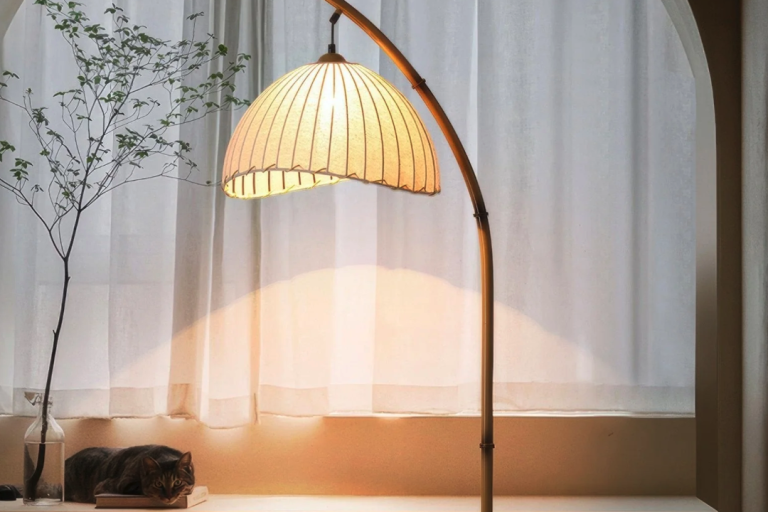
The long-lasting metal arm wall lamp with a fabric shade represents a category of luminaires designed for both functional illumination and aesthetic integration into various interior spaces. This lamp type is characterized by a durable metal arm structure that extends from a wall-mounted base, supporting a light source generally diffused by a fabric shade. The combination of metal and fabric materials offers a blend of structural integrity and diffused light quality, making these fixtures adaptable to a range of architectural and decorative schemes.
Understanding the components and characteristics of this type of lamp involves examining its material science, design principles, optical properties, and practical applications. The term “long-lasting” refers not only to the physical resilience of the materials but also to the enduring design appeal and functional stability over time. This article aims to provide a comprehensive overview, addressing the elements that contribute to its utility and position in interior lighting design.
When considering a wall lamp of this design, one is essentially evaluating a tool for light projection that also functions as a visual element within a room. The arm acts as a conduit and a lever, manipulating the light source’s position, while the shade performs as a filter, shaping the quality of the emitted light. These lamps are not merely sources of light; they are components of a larger interior narrative, contributing to the ambiance and functionality of a space. Their enduring nature distinguishes them from disposables, positioning them as an investment in a room’s infrastructure.
Design and Aesthetics
The aesthetic appeal of a long-lasting metal arm wall lamp with a fabric shade derives from the interplay between its industrial and textile components. The design typically balances the strength and rigidity of metal with the softness and textural quality of fabric. This contrast is a fundamental aspect of its visual language, allowing the fixture to adapt to various interior design styles, from minimalist to traditional.
Metal Arm Construction
The metal arm is the structural backbone of the lamp. Its design significantly influences both the lamp’s silhouette and its functional reach. Arms can be fixed in position, offering a static light source, or articulated, providing adjustable illumination. Common materials for the arm include steel, brass, and aluminum, each offering distinct properties concerning strength, weight, and finish. For instance, solid brass arms offer a classic aesthetic and resistance to corrosion, while aluminum provides a lighter frame and contemporary appeal. The finish applied to the metal arm, such as brushed, polished, or matte, further customizes its visual character. Consider the arm as the skeletal framework; its form dictates the overall posture and reach of the lamp. A well-designed arm integrates seamlessly with the mounting base, presenting a cohesive and structurally sound unit.
Fabric Shade Integration
The fabric shade serves as the primary diffuser of light. Its material, weave, color, and shape directly impact the quality and direction of the light emitted. Common shade fabrics include linen, cotton, silk, and synthetic blends. Linen and cotton offer a natural, textured look and diffuse light evenly, while silk can provide a more luxurious sheen. Synthetic blends often offer increased durability and ease of cleaning. The shape of the shade, whether cylindrical, conical, or drum-shaped, influences the spread of light. A wider, open-bottom shade will direct more downward light, suitable for task lighting, whereas a more enclosed shape will offer a softer, ambient glow. The selection of the fabric shade is analogous to choosing the lens for a camera: it dictates how the light is perceived and where it is focused.
Articulation and Versatility
Many metal arm wall lamps incorporate articulation points, typically at the base, elbow, or shade connection. These joints allow the user to adjust the lamp’s reach and the direction of its light. This versatility is a key functional feature, enabling the lamp to serve various purposes, from providing direct illumination for reading to casting ambient light across a room. Articulated arms can range from simple pivot points to complex multi-jointed mechanisms, offering different degrees of flexibility. The design of these joints must prioritize robustness to ensure the lamp maintains its position reliably over time. This adjustability transforms the lamp from a static fixture into a dynamic tool, adapting to the evolving needs of its environment.
Durability and Longevity
The classification of these lamps as “long-lasting” is rooted in the careful selection of materials and the execution of robust manufacturing processes. A lamp’s longevity is a testament to its resistance against mechanical stress, environmental degradation, and the wear and tear of routine use. This aspect is crucial for both consumer value and environmental sustainability, as it reduces the frequency of replacement.
Material Selection for Durability
The foundational element of a long-lasting wall lamp is the inherent durability of its constituent materials. Producers generally prioritize materials known for their resilience and resistance to degradation.
Grade of Metal
For the metal arm, the grade of the material is paramount. Steel, particularly alloys like stainless steel, offers high tensile strength and resistance to rust, especially in humid environments. Brass, an alloy of copper and zinc, provides excellent corrosion resistance and a distinct aesthetic that often improves with age through patination. Aluminum, while lighter, is also resistant to corrosion due to its natural oxide layer. The thickness of the metal used for the arm and the mounting plate is also a factor; a thicker gauge generally translates to greater strength and rigidity, reducing the likelihood of bending or deformation over time.
Protective Finishes
Beyond the base metal, the application of protective finishes is critical. Powder coating provides a hard, durable surface that is resistant to scratches, chipping, and fading. Electroplating, often used for brass or chrome finishes, creates a strong bond between the base metal and the finish, offering protection against wear and corrosion. Lacquer coatings can also be applied, particularly to polished metals, to prevent tarnishing. These finishes act as a shield, protecting the metal components from the elements and everyday contact, akin to armor preserving a knight.
Construction Techniques
The methods used to assemble the lamp components contribute significantly to its overall durability. Welded joints, for instance, offer greater strength and stability compared to bolted or screwed connections, especially for static arms. For articulated arms, the quality of the pivot points is essential. These should be designed with robust materials, such as hardened steel pins, and mechanisms that allow for smooth adjustment without developing looseness or play over time. Precision manufacturing ensures that components fit together without undue stress, preventing premature failure. The electrical wiring within the arm should be insulated and routed in a manner that protects it from abrasion or pinching, which could lead to electrical faults.
Maintenance Considerations
While material selection and construction are primary drivers of longevity, the design should also facilitate ease of maintenance. The fabric shade, being softer, is more susceptible to dirt and wear. Shades made from easily cleanable fabrics, or those designed for simple removal, will extend the lamp’s aesthetic life. The metal components should be accessible for cleaning with appropriate, non-abrasive agents. Providing clear instructions for care can empower the user to sustain the lamp’s condition, contributing to its prolonged service life. A long-lasting product is not merely one that endures neglect, but one that is designed to be cared for, thus enhancing its lifespan through regular attention.
Illumination Characteristics
The primary function of any lamp is to provide light. For the long-lasting metal arm wall lamp with a fabric shade, the quality and characteristics of this illumination are not solely about brightness but encompass light distribution, color temperature, and energy efficiency. These factors collectively determine how effectively the lamp serves its purpose within a given space.
Light Distribution
The fabric shade plays a central role in how light is distributed. Unlike transparent or opaque shades, fabric diffuses light, softening its intensity and reducing harsh shadows. This diffusion creates a more evenly spread, ambient glow. The shape and density of the fabric influence the directionality of the light. For example, a drum-shaped shade with an open top and bottom will direct light both upwards towards the ceiling and downwards, often for task illumination, while also allowing some light to pass through the fabric laterally. A thicker, more opaque fabric will restrict light more, leading to a more focused downward or upward beam, depending on the shade’s orientation. The arm’s adjustability, particularly in articulated models, further enhances control over light distribution, allowing the user to precisely direct the light beam where needed. Consider the shade as a cloud, filtering the sun’s rays to create a softer, more diffused light below.
Color Temperature and Ambiance
While the lamp fixture itself does not determine the color temperature of the light, the choice of light bulb does. However, the fabric shade can subtly influence the perceived color. A shade with a warm undertone (e.g., cream, beige) can make even a neutral white light appear slightly warmer, contributing to a cozy and inviting ambiance. Conversely, shades with cooler tones (e.g., white, light grey) maintain the integrity of the bulb’s color temperature. Most residential applications benefit from light sources in the warm white to neutral white spectrum (2700K-3500K), which are conducive to relaxation and general living. Task lighting, such as for reading, might benefit from a slightly cooler temperature (3500K-4500K) to enhance alertness and visual clarity. The combination of diffused light and appropriate color temperature is fundamental to crafting the desired mood and atmosphere within a room.
Energy Efficiency
Modern wall lamps, including the metal arm fabric shade variety, are increasingly designed to accommodate energy-efficient light sources. The most common choice today is the Light Emitting Diode (LED) bulb. LEDs offer substantial advantages over incandescent or compact fluorescent lamps (CFLs) in terms of:
- Longevity: LEDs have a significantly longer lifespan, often tens of thousands of hours, which aligns with the “long-lasting” philosophy of the lamp fixture itself.
- Lower Power Consumption: They consume considerably less wattage to produce the same lumen output, resulting in reduced electricity bills.
- Reduced Heat Emission: LEDs produce less heat, which is beneficial for the longevity of the lamp’s components, particularly the fabric shade, where excessive heat could lead to discoloration or degradation over time.
- Instant On/Full Brightness: Unlike some CFLs, LEDs provide immediate full brightness without a warm-up period.
When selecting a lamp, examining its compatibility with dimmers and smart home systems can also contribute to efficient and flexible light control. Many modern fixtures are designed for seamless integration with these technologies, allowing users to adjust light levels and scheduling, further optimizing energy use and convenience.
Installation and Placement
Proper installation and thoughtful placement are crucial for maximizing both the functional and aesthetic potential of a long-lasting metal arm wall lamp with a fabric shade. Incorrect installation can compromise safety and stability, while poor placement can diminish its effectiveness in illuminating a space or integrating with the room’s design.
Mounting Considerations
The mounting plate, which secures the lamp to the wall, is a critical component. It typically attaches to a standard electrical junction box, providing both structural support and electrical connection.
- Wall Material: The type of wall material (e.g., drywall, plaster, concrete) dictates the specific fasteners required. For drywall, toggle bolts or sturdy wall anchors are essential to provide sufficient support, especially for lamps with longer or heavier arms. For concrete or brick, specialized masonry anchors are necessary. The installer must ensure that the mounting plate is firmly affixed to a structural element, such as a wall stud, whenever possible.
- Junction Box Access: Ideally, the lamp should be mounted directly over an existing or newly installed electrical junction box. This provides a secure and code-compliant enclosure for electrical connections. If an existing junction box is not present, consulting an electrician for installation is recommended to ensure safety and adherence to local electrical codes.
- Leveling: Accurate leveling of the mounting plate and the lamp fixture itself is critical for aesthetic appeal and ensuring that the arm, if articulated, operates smoothly without gravitational pull or misalignment.
Electrical Requirements
Wall lamps typically operate on standard household voltage (e.g., 120V in North America, 230V in Europe).
- Wiring: The lamp requires a connection to a switched electrical circuit. This connection involves wiring the lamp’s hot, neutral, and ground wires to their corresponding wires in the junction box. Proper insulation and secure connections are paramount to prevent electrical shorts or hazards.
- Switched vs. Plug-in: Some metal arm wall lamps are designed for direct hardwiring into the wall, requiring a professional installation for a clean, integrated look. Others offer a plug-in option, where a cord extends from the lamp to a wall outlet. Plug-in models offer greater flexibility in placement but necessitate careful cable management to conceal the cord for an uncluttered appearance.
- Dimmer Compatibility: If the lamp is intended for use with a dimmer switch, ensure that both the bulb and the lamp’s internal wiring are compatible with dimming technology. Using incompatible components can lead to flickering, buzzing, or premature bulb failure.
Optimal Hanging Height
The ideal hanging height for a wall lamp is not absolute but depends on its intended function, the ceiling height, and the surrounding furniture. As a general guideline:
- General Ambient Lighting: For overall room illumination, the bottom of the shade is often placed between 60 to 65 inches (about 152 to 165 cm) from the floor. This height allows the light to spread without being visually obtrusive to someone standing in the room.
- Task Lighting (e.g., beside a bed or sofa): When used for reading or other tasks, the bottom of the shade should be approximately 20 to 24 inches (about 51 to 61 cm) above the surface of the item it illuminates, such as a bedside table or the armrest of a sofa. This places the light at an appropriate height for direct illumination without glare.
- Art or Feature Lighting: If the lamp is intended to highlight artwork or a specific architectural feature, its height and angle should be adjusted to achieve the desired effect, often involving a precise aiming of the light.
- Clearance: Always ensure there is sufficient clearance for articulated arms to move freely without obstruction, and that the lamp does not present a head hazard for taller individuals.
Consider the lamp as an extension of the wall itself; its placement should harmonize with the room’s geometry and purpose, ensuring that its light falls precisely where it is most needed, mimicking an outstretched hand offering assistance.
Applications and Contexts
The design and functional characteristics of the long-lasting metal arm wall lamp with a fabric shade lend themselves to a diverse range of applications. Its blend of focused and diffused lighting, coupled with a durable and adaptable aesthetic, makes it suitable for various settings, from intimate residential spaces to more demanding commercial environments.
Residential Settings
In residential contexts, these lamps are often employed to enhance both the functionality and the ambiance of a room. Their ability to deliver adjustable, softened light makes them versatile tools for homeowners.
- Bedrooms: As bedside reading lamps, they free up space on nightstands that would otherwise be occupied by table lamps. An articulated arm allows a user to direct light precisely onto a book or magazine, while the fabric shade prevents harsh glare. The option for dimming further enhances their utility, allowing for gentle illumination before sleep.
- Living Rooms and Studies: These lamps can serve as supplementary task lighting next to a sofa or armchair, providing focused light for reading, knitting, or other hobbies. When placed above a desk, especially an adjustable variant, they can offer adaptable working light. In larger living areas, multiple wall lamps can contribute to layered lighting schemes, adding depth and interest to the room without requiring floor space. Often, they replace larger, more intrusive floor lamps, acting as a less imposing source of illumination.
- Hallways and Corridors: While perhaps less common for highly articulated versions, simpler, fixed-arm variants can provide ambient lighting in transitional spaces. The fabric shade contributes to a welcoming glow, softening the often-linear nature of hallways.
- Dining Areas (Secondary Lighting): Although not typically the primary light source for a dining table, a well-placed wall lamp can provide accent lighting, highlighting a piece of art or adding an intimate glow to a specific corner of the room.
Commercial Settings
The durability and functional adaptability of these lamps also make them suitable for certain commercial applications, where longevity and specific lighting effects are valued.
- Hotel Guest Rooms: In hotel rooms, these lamps are frequently found beside beds, offering guests adjustable reading light while maintaining a high-end aesthetic. Their robust construction is vital in environments with frequent use and varying occupants. The easy-to-clean fabric shade materials are also a practical consideration.
- Restaurants and Cafes: Depending on the desired ambiance, metal arm wall lamps can be used for accent lighting in dining areas or at individual booths. The diffused light from the fabric shade can create a relaxed and inviting atmosphere conducive to leisure. Their fixed installation nature also means they are less prone to movement or damage compared to portable lamps.
- Office and Co-working Spaces: In private offices or specific zones within a co-working space, articulated wall lamps can provide individual task lighting for desks. Their space-saving design is an advantage where floor or desk space is at a premium. The professional appearance of metal complements many office aesthetics, and the fabric shade can reduce the starkness often associated with purely functional office lighting.
- Art Galleries and Exhibition Spaces (Accent Lighting): While specialized track lighting often dominates, certain art installations or smaller exhibition spaces might utilize these lamps for targeted illumination of specific display items. The metal arm acts as a discreet support, allowing the fabric shade to diffuse light over a sculpture or framed piece, creating a gentle highlight rather than a harsh spotlight.
In both residential and commercial contexts, the long-lasting metal arm wall lamp with a fabric shade serves as a reliable light source and a design element. It is a workhorse lamp, built to operate consistently over a significant period, contributing subtly but effectively to the functional and visual character of an interior.

You May Also Like
Enhance Your Space with Extra Tall Fluted Glass Vanity Light
August 3, 2026
Exquisite Chandelier Adds Luxury to Hotel Bar
September 2, 2025
Enhance Your Outdoor Space with a Capiz Shell Wall Light
August 10, 2026
Editors' Choice
Elegant Marble Chandelier: A Touch of Luxury
April 21, 2025
Enhance Your Bedroom with Creative LED Night Light
October 18, 2025
+ There are no comments
Add yours