
Enhance Your Bedroom Wardrobe with LED Interior Lighting
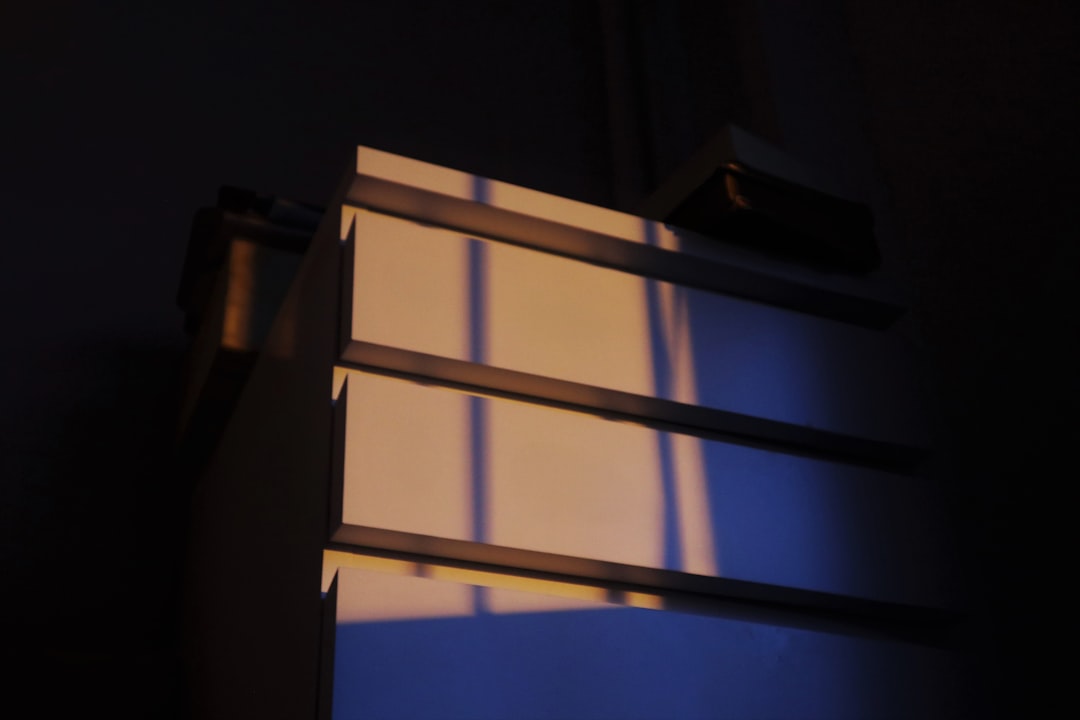
LED (Light Emitting Diode) lighting offers a practical solution for illuminating the interior of wardrobes. Unlike traditional incandescent or fluorescent fixtures, LEDs are compact, energy-efficient, and generate minimal heat, making them suitable for enclosed spaces. Their long operational lifespan also reduces the frequency of replacements, enhancing convenience for the user.
Energy Efficiency and Longevity
LEDs convert a significant portion of electrical energy into light, exhibiting higher luminous efficacy compared to older lighting technologies. This translates to lower electricity consumption and reduced utility bills. Furthermore, their typical lifespan can range from 25,000 to 50,000 hours or more, significantly outlasting incandescent bulbs (approximately 1,000 hours) and fluorescent tubes (7,000 to 15,000 hours). ThisExtended operational life makes them a “set it and forget it” component, minimizing maintenance.
Heat Dissipation and Safety
Traditional light sources, particularly incandescent bulbs, generate a substantial amount of heat. In enclosed spaces like wardrobes, this heat can accumulate, potentially affecting fabric integrity or, in extreme cases, posing a fire risk. LEDs, by contrast, are “cool to the touch” devices, dissipating very little heat into the surrounding environment. This characteristic makes them a safer option for illuminating stored garments and accessories, providing peace of mind to the user.
Compact Size and Versatility
The diminutive size of individual LED components allows for their integration into various form factors, including strips, puck lights, and slim bars. This design flexibility enables discreet installation within wardrobe compartments, shelves, and hanging rails, maximizing available storage space. The ability to cut and customize LED strips further enhances their versatility, accommodating wardrobes of different dimensions and configurations.
Types of LED Wardrobe Lighting Systems
Various types of LED lighting systems are available for wardrobe integration, each with distinct features and installation considerations. Understanding these options is crucial for selecting the most appropriate solution for your needs.
LED Strip Lighting
LED strip lights consist of a series of individual LEDs mounted on a flexible circuit board, often backed with adhesive for easy installation. They are available in various lengths, color temperatures, and brightness levels. Due to their flexibility, they can be easily run along the underside of shelves, inside door frames, or along the top interior of the wardrobe.
Advantages of LED Strips
The primary advantages of LED strips include their ease of installation, uniform illumination, and adaptability to irregular shapes. They provide a continuous line of light, minimizing shadows and offering comprehensive visibility within the wardrobe. Many strip lights are also dimmable, allowing for adjustable brightness.
Considerations for LED Strips
When selecting LED strips, consider the required lumen output for adequate illumination. A higher density of LEDs per meter generally results in brighter, more continuous light. Also, assess the power requirements and ensure you have an appropriate power supply (driver). Some strips may require an aluminum profile to diffuse light, dissipate heat, and provide a finished aesthetic.
LED Puck Lights
LED puck lights are small, circular fixtures designed for surface mounting or recessing. They typically emit a focused beam of light, making them suitable for illuminating specific areas or compartments within a wardrobe.
Placement and Illumination Patterns
Puck lights are often installed in sets, spaced evenly to distribute light. They can be mounted under shelves to spotlight folded clothes, accessories, or shoes. Their compact nature makes them inconspicuous, maintaining the aesthetic integrity of the wardrobe.
Wired vs. Battery-Powered Puck Lights
Puck lights are available in both wired and battery-powered versions. Wired puck lights offer consistent, long-term illumination without battery replacement, but require electrical wiring. Battery-powered puck lights provide greater installation flexibility as they do not require an electrical connection, but necessitate periodic battery changes.
LED Bar Lights and Rails
LED bar lights are rigid, linear fixtures, often housed in aluminum profiles, offering a more robust and finished appearance compared to flexible strips. Some wardrobe systems also integrate LEDs directly into hanging rails, providing downward illumination.
Durability and Aesthetic Integration
LED bar lights are generally more durable than strip lights and offer superior light diffusion when equipped with appropriate covers. They present a clean, modern aesthetic. Integrated LED rails provide an elegant solution, combining functionality with design, and directly illuminating garments as they hang.
Installation Complexity
Installation of LED bar lights and integrated rails can be more involved than adhesive strips, often requiring screws or clips for secure mounting and potentially more complex wiring, especially for integrated systems that may be part of the wardrobe’s original design.
Activation Methods for Wardrobe LED Lighting
The method by which your wardrobe lights activate significantly impacts convenience and energy consumption. Modern LED systems offer a range of sensor-based and manual control options.
Motion Sensors (PIR)
Passive InfraRed (PIR) motion sensors detect changes in infrared radiation, triggered by the movement of a person. When a sensor detects motion, it activates the lights. This is a common and energy-efficient activation method for wardrobes.
Advantages of Motion Sensors
Motion sensor activation eliminates the need for manual switches, making the lighting automatic and hands-free. This enhances convenience, especially when carrying items. It also conserves energy by ensuring lights are only on when needed.
Sensor Placement and Sensitivity
Optimal sensor placement is crucial to avoid false triggers or missed activations. Position the sensor where it has an unobstructed view of the wardrobe’s entry point. Some sensors offer adjustable sensitivity and duration settings, allowing the user to customize the light’s operational parameters.
Door Contact Sensors
Door contact sensors, comprised of a magnet and a reed switch, detect the opening and closing of wardrobe doors. When the circuit is broken (door opens), the lights activate. When the circuit is re-established (door closes), the lights turn off.
Reliability and Discrete Integration
Door contact sensors are highly reliable, providing instant activation upon door opening and deactivation upon closure. Their small size allows for discrete mounting within the door frame or edge, maintaining the wardrobe’s aesthetics.
Application for Different Door Types
These sensors are ideal for hinged or sliding wardrobe doors. For sliding doors, ensure the sensor is positioned to break the circuit consistently as the door opens, regardless of which panel is moved.
Manual Switches and Dimmers
While automated systems offer convenience, manual switches and dimmers provide direct control over the lighting. These can be integrated into the wardrobe structure or located externally.
Placement and Functionality
Manual switches can be rocker, toggle, or push-button types, positioned for easy access. Dimmers allow for adjustment of light intensity, from subtle ambient lighting to bright task illumination, catering to different needs and times of day.
Smart Integration
For a more advanced setup, manual switches can be integrated into smart home ecosystems, allowing for voice control, scheduling, or remote operation via a smartphone application. This provides a layer of sophistication and customization.
Installation and Wiring Considerations
Proper installation and understanding wiring principles are paramount for safe and effective wardrobe LED lighting. While some systems are DIY-friendly, others may warrant professional assistance.
Low Voltage vs. Line Voltage Systems
Most wardrobe LED lighting operates on low voltage (typically 12V or 24V DC), converted from line voltage (120V or 240V AC) by a power supply unit (driver). Low voltage systems are inherently safer and easier to work with for the average user, as the risk of electric shock is minimal.
Selecting the Right Power Supply (Driver)
The power supply unit (PSU), or driver, converts the AC mains voltage to the DC voltage required by the LEDs. It is crucial to select a driver with sufficient wattage capacity to power all connected LEDs. The total wattage of your LED strips or pucks must be less than the driver’s maximum output. Oversizing the driver slightly provides a buffer and prolongs its lifespan.
Wiring Techniques for Low Voltage Systems
Low voltage wiring typically involves connecting LED strips or puck lights in parallel to the driver’s output terminals. Ensure correct polarity (positive to positive, negative to negative). Use appropriate gauge wire to prevent voltage drop, especially over longer runs, which can result in dimmer lights at the end of the circuit. Consider using solderless connectors for easier installation and future modifications.
Cable Management and Concealment
Tidy cable management is essential for both aesthetics and safety. Route wires discreetly using adhesive clips, cable ties, or wire channels to prevent snagging or damage.
Integrating into Wardrobe Structure
Where possible, conceal wiring within the wardrobe’s structural elements, such as behind back panels, along corner joints, or within specially designed channels. This creates a clean, professional finish and prevents the wires from being visible or obstructive.
Extension and Junctions
For extensive lighting setups, consider using junction boxes to consolidate wiring connections. Ensure all connections are secure and properly insulated to prevent short circuits. When extending LED strip runs, verify that the power supply can handle the additional load.
Design and Aesthetic Integration
Beyond functionality, the aesthetic integration of LED lighting significantly enhances the visual appeal and user experience of your wardrobe. Thoughtful design transforms a storage unit into a curated display.
Color Temperature and Ambiance
LEDs are available in various color temperatures, measured in Kelvins (K). This impacts the mood and perceived color of your garments.
Warm White (2700K-3000K)
Warm white light mimics traditional incandescent bulbs, emitting a soft, yellowish glow. This creates a cozy and inviting ambiance, often preferred for bedrooms as it complements natural skin tones and fabric colors without harshness.
Cool White (4000K-5000K)
Cool white light is brighter and more neutral, resembling natural daylight. It provides excellent color rendering, making it easier to distinguish between similar shades of clothing. This is practical for detailed outfit selection and seeing true colors. Avoid overly blue-toned cool white (above 5000K) as it can appear sterile.
RGB (Color Changing) LEDs
RGB LEDs allow you to change the color of the light to suit your mood or decor. While not typically used for practical wardrobe illumination, they can add a decorative element or ambient backlight.
Diffusers and Profiles
Raw LED chips can produce harsh, spotty light. Using diffusers and aluminum profiles can significantly improve light quality and appearance.
Softening the Light
Diffuser covers, often made of frosted or opal polycarbonate, sit over LED strips or puck lights. They soften the light, eliminating individual LED hotspots and creating a more uniform, continuous glow. This minimizes harsh shadows and provides a more pleasant viewing experience.
Aesthetic Finish and Heat Management
Aluminum profiles not only house LED strips and diffusers but also act as heat sinks, helping to dissipate the minimal heat generated by the LEDs. They provide a refined, finished look, protecting the strips from dust and damage, and seamlessly integrating them into the wardrobe structure.
Strategic Placement for Optimal Illumination
The location of your LED lights is as important as the type of light itself. Strategic placement ensures even illumination and highlights items effectively.
Shelf Undersides
Mounting LED strips or puck lights under shelves provides direct downward illumination, brightening the contents of each compartment. This is particularly effective for folded garments, shoes, and accessories.
Vertical Strips along Edges
Linear LED strips mounted vertically along the inner edges of wardrobe uprights or door frames can wash the entire interior with light, reducing shadows created by hanging clothes. This provides a “wall wash” effect, ensuring comprehensive visibility.
Internal Drawer Lighting
Small LED strips or puck lights can be installed within drawers, often activated by the opening of the drawer itself, providing dedicated light for smaller, frequently accessed items like socks, underwear, or jewelry. This is a subtle yet highly functional addition.
By considering these design elements, you can transform your wardrobe’s interior lighting from a purely functional necessity into an integral part of your room’s aesthetic and daily routine. The thoughtful application of LED technology in your wardrobe can enhance utility, improve organization, and simply make the process of getting ready more efficient and enjoyable. The subtle glow of well-placed LEDs can turn a dark cavern into a stage for your personal style, a beacon that guides your choices each morning.

You May Also Like
Creating a Cozy Bedroom Atmosphere with a Floor Lamp
June 4, 2024
Illuminate Your Space with a Bedroom Bow Bell Wall Lamp
September 16, 2025
Elegant Bronze Table Lamp for Luxurious Bedroom Lighting
August 19, 2025
Enhance Your Bedroom with a Luxe Bronze Table Lamp
August 19, 2025
Editors' Choice
Creating a Cozy Bedroom Atmosphere with a Floor Lamp
June 4, 2024
Top 5 Online Wall Lamp Amazon Retailers
May 19, 2023
Chic Low Ceiling Lighting Trends for a Luxe Feel
September 8, 2026
+ There are no comments
Add yours