
Versatile Lighting: Double Head Adjustable Floor Lamp
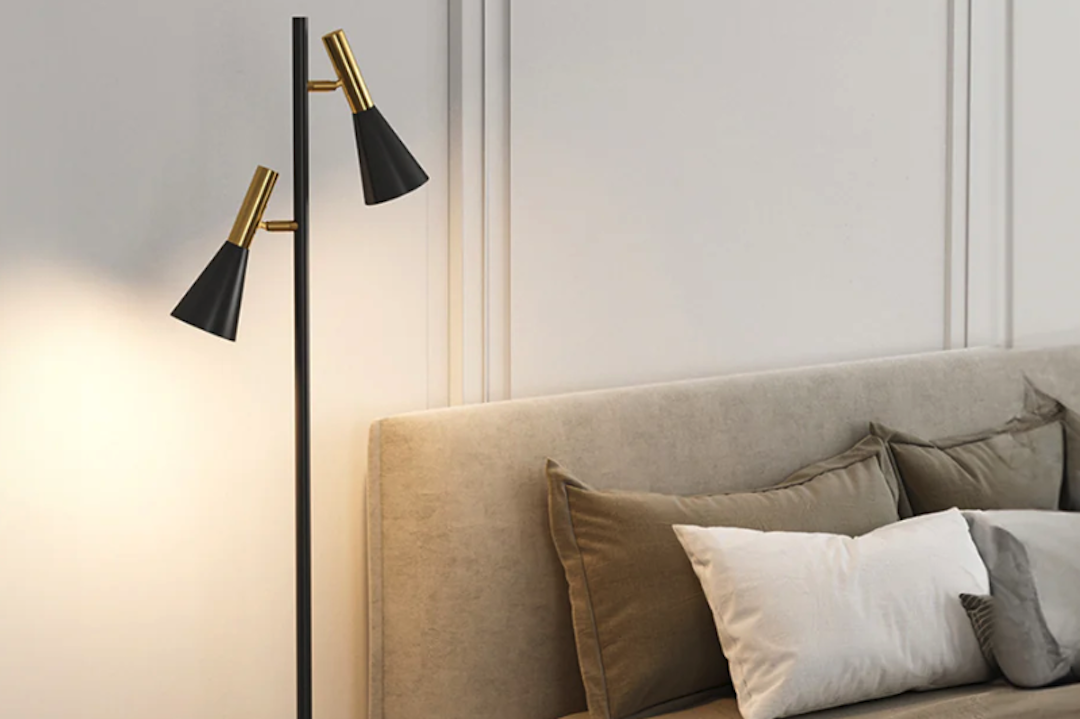
So, you’re looking for a floor lamp that can do more than just cast a general glow? You’ve probably stumbled upon descriptions of “double head adjustable floor lamps” and are wondering if it’s all marketing hype or genuinely useful. The short answer is: yes, these lamps are genuinely versatile and can be a real game-changer for how you light your space. They aren’t just fancy, complicated versions of a regular floor lamp; they offer focused light where you need it, when you need it, without shouting about it.
Understanding the Double Head Advantage
At its core, the appeal of a double head adjustable floor lamp Aluredesign lies in its ability to deliver targeted illumination from two distinct points. This isn’t about overpowering a room with light; it’s about precision and adaptability. Think of it as having two specialized spotlights that you can position independently.
Independent Articulation: The Real Magic
The key feature here is that each lamp head can usually be moved and angled separately. This independence is what makes the “versatile” truly mean something.
Aiming at Different Spots
This means you can have one head illuminating your reading nook while the other is directed towards a piece of art, a desk, or even just general ambient light for the room. It’s like having two lamps in one, but without the clutter of two separate bases.
Adjusting Intensity (Sometimes)
While not universal, some models offer independent dimming for each head. This further enhances the ability to fine-tune the lighting for specific tasks or moods. One head can be bright for detailed work, while the other can be set to a softer glow for relaxation.
Dual Functionality Without Dual Footprint
The beauty of the double head design is that it consolidates two lighting sources into a single base. This is a practical consideration, especially in smaller living spaces where floor real estate is at a premium. You get the benefit of two distinct light streams without the visual bulk of two separate lamps.
Where a Double Head Lamp Truly Shines: Practical Applications
This type of lamp isn’t just a theoretical concept; it has very real-world applications that can improve your daily life. Forget generic “task lighting.” This is about highly specific needs.
The Avid Reader’s Best Friend
For anyone who loves to curl up with a book, a double head lamp is a significant upgrade. You can direct one light precisely onto your pages, ensuring clear visibility without straining your eyes, while the other can provide a softer overhead glow for the rest of the seating area, preventing a harsh contrast.
Minimizing Eye Strain
Proper lighting for reading is crucial. A well-positioned spotlight from a double head lamp can eliminate shadows and glare that often come with standard lamps, making your reading sessions much more comfortable.
Creating a Cozy Atmosphere
The second head can be used to cast a subtle light on a nearby shelf or a decorative element, creating a more inviting and layered ambiance rather than a stark, focused beam.
The Home Office Workhorse
In a home office, the demands on lighting are often diverse. You might need focused light for detailed computer work, but also general illumination for the room.
Task Lighting for Your Desk
One head can be angled directly onto your keyboard, documents, or drawing pad, ensuring you have adequate light for intricate tasks. This is far more effective than a single overhead light that might create shadows.
Ambient Light for the Workspace
The second head can be used to provide a softer, broader illumination for the general room. This prevents the stark contrast that can occur with a single, intensely focused light source, which can lead to eye fatigue over long periods.
Illuminating a Secondary Workspace
If you have a dual-purpose desk or a separate corner for note-taking or sketching, the independent adjustability allows you to light that area too, even if it’s at a different angle or height.
The Hobbyist’s Essential Tool
Whether you’re into crafting, model building, intricate sewing, or any activity requiring fine detail work, a double head lamp offers unparalleled precision.
Precision for Detailed Work
The ability to direct two focused beams of light exactly where you need them is invaluable for hobbies that demand accuracy and a keen eye. You can illuminate the smallest components or intricate stitches with clarity.
Reducing Shadows During Intricate Tasks
When working with small objects, shadows can be a major impediment. The dual heads can often be positioned to minimize these shadows, providing a more evenly lit workspace.
Illuminating Different Aspects of a Project
For example, in model building, one head might focus on the main structure, while the other highlights a smaller detail you’re working on, allowing for detailed inspection and application.
Design and Adjustability: More Than Just Moving Parts
The versatility of these lamps isn’t just about the two heads. The design and the mechanisms that allow for adjustment play a significant role in their practical value.
The Gooseneck Revolution
Many double head lamps feature flexible gooseneck arms for each head. This is where the true adaptability comes into play.
Infinite Positioning Options
Goosenecks allow for an almost infinite range of angles and directions. You’re not limited by pre-set positions; you can bend and shape the light exactly where you want it.
Easy and Quick Adjustments
Unlike lamps with rigid arms or swivels that can be finicky, goosenecks are generally intuitive and quick to adjust, allowing you to change your lighting setup on the fly.
Durability Considerations
While many goosenecks are quite robust, it’s worth noting that repeated, forceful bending can eventually lead to wear. However, for typical use, they are a highly reliable mechanism.
Swivel and Tilt Mechanisms
Beyond the gooseneck, or sometimes in conjunction with it, you’ll find swivel and tilt joints on the lamp heads themselves.
Adding Another Layer of Control
These mechanisms provide an additional degree of freedom, allowing you to pivot the entire head or tilt it to further refine the direction of the light, even if the gooseneck is already in place.
Achieving Complex Angles
For very specific lighting needs, like bypassing an obstruction or illuminating a very precise spot from an awkward angle, these extra joints can be a lifesaver.
The Base – Stability is Key
A lamp with two heads and flexible arms needs a sturdy base to remain stable.
Preventing Tipping
A heavier or wider base is crucial to counterbalance the weight and leverage of the two adjustable arms, especially when they are extended or angled away from the center.
Material Matters
Bases are often made from metal, marble, or solid wood, contributing not only to stability but also to the overall aesthetic of the lamp.
Choosing the Right Double Head Lamp: What to Look For
With the variety available, making a choice requires understanding what features will best suit your needs. It’s not just about aesthetics.
Light Source Considerations: LED vs. Halogen
The type of bulb or integrated LED is a significant factor.
LED Benefits
- Energy Efficiency: LEDs consume far less electricity than traditional bulbs, leading to lower energy bills.
- Long Lifespan: You won’t be replacing bulbs frequently, saving money and hassle.
- Lower Heat Output: This is particularly important for task lighting, as it won’t make your workspace uncomfortably warm.
- Color Rendering Index (CRI): Look for a high CRI (90+) if color accuracy is important for your hobbies or work.
Traditional Bulb Considerations (Less Common Now)
While less common in modern double head lamps, some older or specific models might use halogen or incandescent bulbs. These tend to generate more heat and use more energy.
Brightness (Lumens) and Color Temperature (Kelvin)
These specifications are crucial for understanding the light output.
Lumens: How Bright Is It?
Lumens measure the total amount of visible light emitted by a source. Higher lumen numbers mean a brighter light. For reading or detail work, you’ll want a lamp with sufficient lumens for each head.
Kelvin: The Color of the Light
Kelvin (K) indicates the color temperature.
- Warm White (2700K-3000K): Creates a cozy, relaxing atmosphere. Good for general living areas.
- Cool White (3500K-4100K): More neutral, good for kitchens and workspaces where clear visibility is key.
- Daylight (5000K-6500K): Mimics natural daylight, excellent for tasks requiring high color accuracy and bright illumination.
Controls: Location and Type
How you operate the lamp is part of its practicality.
On-Lamp Switches
Many lamps have individual switches for each head, or a master switch that controls both. These are often located on the cord or the lamp body.
Foot Switches
A foot switch can be very convenient, especially if your hands are full or you’re adjusting the lamp from a seated position.
Remote Controls
Some higher-end models offer remote controls for dimming and on/off functions, adding a touch of modern convenience.
Maintenance and Longevity: Keeping Your Versatile Lamp in Top Shape
Even the most versatile lamp needs a little care to ensure it keeps performing well for years.
Cleaning Your Lamp
Dust and grime can accumulate on the lamp heads and arms, affecting light output and appearance.
Gentle Cleaning Agents
Use a soft, dry cloth for regular dusting. For tougher grime, a slightly damp cloth with mild soap can be used, but ensure it’s thoroughly dried afterward.
Avoid Harsh Chemicals
Harsh cleaners can damage finishes and delicate components, especially on flexible arms.
Checking Connections and Adjustments
Periodically, it’s a good idea to check the stability of the lamp.
Ensuring Base Stability
Make sure the lamp base hasn’t loosened from the floor or furniture. Tighten any screws if necessary.
Inspecting Flexible Arms
If you have gooseneck arms, gently test their flexibility. If you notice any stiffness or unusual noises, be cautious with how much force you apply.
Bulb Replacement (If Applicable)
If your lamp uses replaceable bulbs, follow the manufacturer’s instructions for safe and proper replacement.
Safety First
Always unplug the lamp before changing a bulb.
Using the Right Bulb Type
Ensure you’re using bulbs with the correct wattage and fitting for your lamp to avoid damage or malfunction.
Beyond the Basics: Creative Uses and Considerations
Once you have a double head adjustable floor lamp, you might discover uses you hadn’t initially considered.
Illuminating Plants
Directing a focused beam towards a houseplant can not only highlight its beauty but also provide necessary light for growth, especially in darker rooms. One head can illuminate the plant, while the other provides general room light.
Art and Display Spotlighting
Beyond just reading or working, these lamps are excellent for accentuating artwork or display shelves. You can precisely target a piece of art without the harshness of a spotlight that’s too broad.
Mood Lighting and Ambiance Creation
By angling the two heads differently and perhaps using different color temperature bulbs, you can create dynamic and layered lighting effects that evoke specific moods.
Considerations for Small Spaces
While they consolidate two lamps into one base, remember that the flexible arms can extend outwards. Be mindful of the space you have when positioning and adjusting them.
Power Cord Management
With two heads and potentially more complex wiring, think about how you’ll manage the power cord to keep your space tidy and safe. Cable clips or a cable organizer can be very helpful.
In conclusion, a double head adjustable floor lamp is far more than just a novelty. It’s a practical investment in adaptable, precise, and efficient lighting that can genuinely enhance your living and working spaces. By understanding its capabilities and choosing wisely, you can unlock a new level of control over your environment.

You May Also Like
Bedroom Furniture: Tips for Choosing the Perfect Pieces
April 1, 2023
Enhance Your Bedroom with a Modern Crystal Chandelier
December 5, 2025
Discover the Popular Nordic Style Floor Lamp
February 8, 2025
Minimalist Bedroom Chandelier: A Stylish Bedside Addition
August 12, 2025
Cozy Up Your Bedroom with a Warm Floor Lamp
July 9, 2025
Editors' Choice

Elegant Marble Chandelier: A Touch of Luxury
April 21, 2025
Top 5 Online Wall Lamp Amazon Retailers
May 19, 2023
+ There are no comments
Add yours