
Modern Elegance: Matte White Sculptural Plaster Ceiling Light
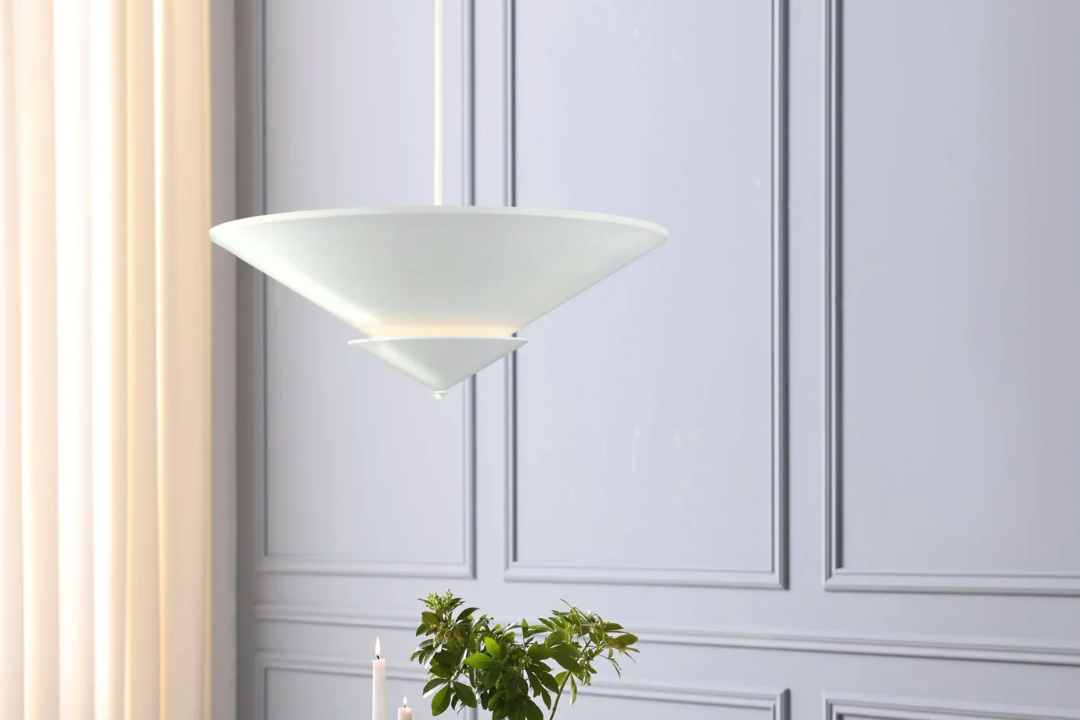
So, you’re eyeing a matte white sculptural plaster ceiling light and wondering if it’s the right fit for your space. The short answer? It very well could be, especially if you’re aiming for a contemporary look that feels both sophisticated and grounded. These lights aren’t just about brightness; they’re statements of design, offering a unique blend of texture, form, and subtle luxury. Let’s dive into what makes them special and how you can make them work for you.
Matte white might sound simple, but in the world of lighting Zweedo, it carries a quiet power. It’s not about being flashy; it’s about being refined. When you add the sculptural element and the tactile quality of plaster, you get a fixture that’s both practical and artistic.
A Modern Canvas
Think of matte white as a blank canvas. It allows the form of the light to take center stage. Unlike glossy finishes that can sometimes feel a bit too “look at me,” matte white absorbs light, creating softer shadows and a more diffused glow. This makes it incredibly versatile, lending itself to a wide range of interior design styles, from minimalist to mid-century modern, and even to more eclectic spaces.
The Tactile Experience
Plaster brings a wonderful texture to the table. It’s not a cold, manufactured material. It has a slight earthiness, a subtle grain that you can almost feel through its appearance. This adds a layer of depth and warmth that you just don’t get with smooth metal or glass. It makes the fixture feel more considered and handcrafted, even if it’s mass-produced.
Beyond the Bulb: The Sculptural Aspect
What truly sets these lights apart is their “sculptural” nature. This isn’t your grandmother’s plaster ceiling rose. These fixtures are designed with form in mind. They can be organic, geometric, or abstract, adding architectural interest to your ceiling. They become a focal point, a piece of art that also happens to illuminate your room.
Where to Embrace the Elegance
The beauty of a matte white sculptural plaster light lies in its adaptability. It can elevate various rooms and complement different design schemes.
The Living Room Statement Piece
Your living room is often the heart of the home, and it’s a prime spot for a sculptural light to shine.
Centered Excellence
For a traditional living room layout, a central fixture can anchor the space. A large, dramatic plaster light can act as the main source of illumination and a significant decorative element. It can draw the eye upwards and add a touch of elegance without being overwhelming.
Zone Definition
In open-plan living areas, a sculptural light can subtly define different zones. Placing one over a seating area or a dining nook can create a sense of intimacy and purpose within the larger space.
Complemented by Texture
Consider how the texture of the plaster light plays with other textures in your living room. Think about velvets, linens, or even exposed brick. The matte finish will absorb and soften the light, creating a cozy atmosphere.
The Dining Room Drama
The dining room is another area where a statement light can truly make an impact.
Above the Table
This is perhaps the most common and effective placement. A sculptural plaster light suspended over your dining table becomes an instant conversation starter. It sets the mood for meals and gatherings, adding a touch of sophistication to your dining experience.
Ambient Glow
The soft, diffused light from a matte white fixture is perfect for dining. It’s bright enough to see your food clearly but gentle enough to foster a relaxed and intimate atmosphere.
Scale and Proportion
When choosing a light for your dining room, pay close attention to scale. It should be large enough to command attention but not so large that it overwhelms the table or the room. A general rule of thumb is that the widest part of the fixture should be about half to two-thirds the width of your dining table.
The Bedroom Sanctuary
Even in more private spaces like the bedroom, a sculptural plaster light can add a surprising layer of luxury.
Gentle Illumination
In a bedroom, you often want softer, more ambient lighting. A matte white plaster light can provide this beautifully, offering a gentle glow that’s perfect for winding down.
A Touch of Artistry
Instead of a traditional bedside lamp, consider a smaller, artfully shaped plaster light that offers a unique visual element without taking up valuable surface space. It adds a touch of personal style and artistic flair.
Integrated Design
If you’re renovating or building, consider integrating a plaster light into the ceiling design itself for a seamless, built-in look that blurs the lines between architecture and illumination.
The Hallway Welcome
Don’t underestimate the power of a well-lit hallway.
Setting the Tone
The first impression guests have of your home often starts in the entryway or hallway. A striking sculptural plaster light can immediately convey a sense of style and sophistication.
Navigational Aid
Beyond aesthetics, a good hallway light ensures safe passage. A diffused light from a plaster fixture can illuminate the space without creating harsh glare.
Flow and Continuity
If you have a long hallway, consider multiple smaller sculptural lights or a single statement piece at a central point to maintain a sense of flow and visual interest.
Material Matters: Why Plaster?
The choice of plaster is deliberate and contributes significantly to the overall appeal and function of these lights.
The Enduring Charm of Plaster
Historically, plaster has been used in architecture for its ability to be molded and sculpted. This heritage translates into a material that feels timeless and capable of holding intricate forms.
Ease of Fabrication
Plaster allows for complex shapes and textures to be created relatively easily. This means designers can push the boundaries of what’s possible in terms of sculptural form, resulting in truly unique fixtures.
Thermal Properties
Plaster is a natural insulator and absorbs heat. This can contribute to a softer, more diffused light output, as the material itself doesn’t get as hot to the touch compared to metal.
Sustainable Considerations
While not always the primary driver, plaster can be considered a more natural and sometimes more sustainable building material compared to certain synthetic plastics or metals, depending on its sourcing and composition.
Surface and Finish
The matte finish on plaster is crucial. It prevents light from bouncing off in harsh reflections, instead creating a soft, even diffusion. This is key to the fixture’s ability to create a calming and elegant ambiance.
Design Considerations: Balancing Form and Function
When you’re looking at a sculptural plaster light, it’s easy to get lost in the aesthetics. But remember, it’s still a light source.
Light Output and Kelvin
The primary function of any light fixture is to illuminate. Consider the lumen output (brightness) and the color temperature (Kelvin) of the bulb.
Lumens for Your Room
Your living room might need more lumens than a bedroom. Check the specifications of the light to ensure it provides adequate brightness for the intended space.
Warm vs. Cool Light
For a cozy and inviting atmosphere, opt for warm white bulbs (around 2700K-3000K). Cooler tones (4000K and above) can feel more sterile and are generally better suited for task lighting or offices.
Dimmer Compatibility
Many sculptural lights are designed to be dimmable, allowing you to adjust the mood and intensity of the light. This is a crucial feature for versatility.
Enhancing Ambiance
A dimmer is essential for transforming a space. You can have bright, functional light during the day or for specific tasks, and then dim it down for a relaxed evening ambiance.
Energy Efficiency
Using a dimmer can also contribute to energy savings by reducing the overall power consumption when full brightness isn’t needed.
Size and Scale
As mentioned earlier, the size of the fixture relative to your room is vital for balance and impact.
Visual Weight
A large, complex sculpture will have more visual weight than a simple, smooth dome. Ensure it doesn’t overpower the room’s existing decor.
Ceiling Height
Consider your ceiling height. A very low ceiling might necessitate a more flush-mounted or streamlined sculptural design to avoid feeling bulky. Conversely, high ceilings can accommodate more dramatic, cascading forms.
Installation Practicalities
This is where “practical” really comes into play.
Weight of the Fixture
Plaster can be heavier than other materials. Ensure your ceiling structure is adequate to support the weight, especially for larger fixtures. Professional installation is often recommended.
Electrical Connections
Standard ceiling lights require a junction box and electrical connections. Make sure you have these in place, or be prepared for electrical work.
Wiring and Support
For pendant-style or suspended sculptural lights, ensure there’s appropriate wiring and support from the ceiling.
Maintenance and Longevity
Even with their artistic appeal, these lights need a little care to stay looking their best.
Gentle Cleaning
The matte finish of plaster is generally easy to clean, but it’s best to do so gently.
Dusting Regularly
A soft microfiber cloth or a feather duster is usually all that’s needed for routine dusting. Avoid abrasive materials that could scratch the surface.
Spot Cleaning
For any minor marks or smudges, use a slightly damp cloth. Be sure to dry the area thoroughly afterward. Avoid harsh chemical cleaners, which can damage the finish.
Protecting the Finish
While matte finishes are less prone to fingerprints than glossy ones, it’s still good practice to be mindful of how you interact with the fixture.
Avoiding Direct Contact
Try to avoid touching the fixture directly with dirty hands. If you need to adjust it, use a clean cloth.
Environmental Factors
In environments with high humidity or significant temperature fluctuations, plaster might be more susceptible to issues over time. Ensure adequate ventilation in such areas.
Bulb Replacement
Depending on the design, replacing the bulb can be straightforward or require a bit more effort.
Access to the Bulb
Some designs might have easily removable covers, while others could be more integrated, requiring careful maneuvering. Always check the manufacturer’s instructions.
LED Considerations
Many modern lights come with integrated LED components that are designed to last for many years, minimizing the need for frequent bulb changes. If your fixture uses replaceable bulbs, consider energy-efficient LED options.
Integrating Matte White Sculptural Plaster into Your Decor
This type of lighting isn’t just an add-on; it’s a design element that can profoundly influence your space.
Complementing Color Palettes
Matte white is a chameleon. It works with almost any color.
Bold Statements
Pairing a matte white sculptural light with a room in deep blues, emerald greens, or even a rich charcoal can create a striking contrast and highlight the light’s form.
Soft Neutrals
In a room with a neutral palette of grays, beiges, or creams, the plaster light adds texture and a subtle point of interest without disrupting the calm.
Monochromatic Schemes
A monochromatic interior can be elevated by the subtle variations in texture and shadow that a sculptural light provides within a single color family.
Contrasting Textures
The inherent texture of plaster makes it a great candidate for contrasting with other materials.
Smooth Surfaces
Juxtapose the plaster with sleek, polished surfaces like glass, metal, or high-gloss lacquered furniture for a dynamic interplay.
Natural Elements
Pairing it with natural materials like wood, stone, or woven fabrics adds an organic and grounded feel to the space.
Enhancing Architectural Features
A sculptural light can either echo or contrast with existing architectural details.
Minimalist Architecture
In a home with clean lines and minimalist architecture, a sculptural plaster light can act as a focal point, adding a soft organic or geometric element that breaks up the starkness.
Ornate Ceilings
If you have more traditional or ornate ceiling details, a sculptural plaster light can either complement them with a similar aesthetic or offer a modern counterpoint, creating a unique blend of old and new.
The “Less is More” Approach
Sometimes, the most effective way to showcase a sculptural light is to let it be the star.
Uncluttered Spaces
In a room with minimal furniture and decor, a well-chosen sculptural light can become the primary decorative element, drawing all attention upwards.
Strategic Placement
Don’t feel the need to cram every corner with decor. Allow the light to breathe and command its space.
By considering these aspects, you can see that a matte white sculptural plaster ceiling light is far more than just a functional object. It’s a thoughtfully designed piece that can bring a unique blend of understated elegance, artistic flair, and practical illumination to your home.

You May Also Like
IKEA Wall Lamp From The VARMBLIXT Collection
June 30, 2023
Enhance Your Chandelier with High Quality Crystal Accessories
January 6, 2025
Choosing Kitchen Window Treatments
July 7, 2023
Rustic Charm: Straw Roof Chandelier for Kids’ Room
December 6, 2024
Enhance Your Chandelier: Must-Have Accessories
September 11, 2024
Stay Organized with These Stylish and Functional Office Bookcases
January 13, 2023
+ There are no comments
Add yours