
Bringing Light Down: High Ceiling Lighting Trends
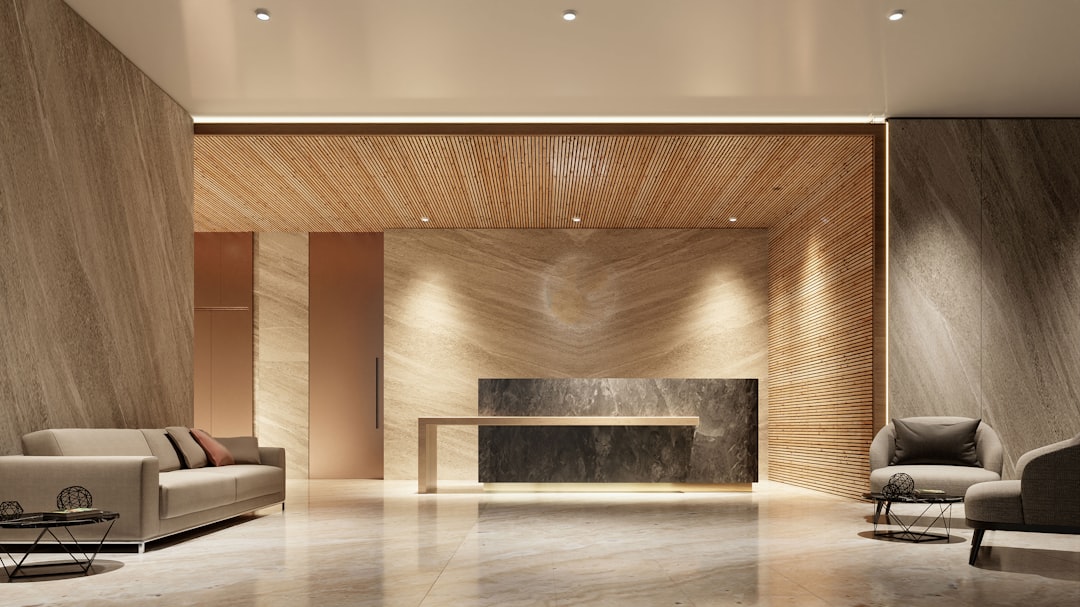
Let’s talk about bringing light down in spaces with really high ceilings. It’s a common challenge, right? You’ve got that grand volume of air above you, and the usual ceiling lights just don’t cut it. They end up feeling like a distant afterthought, leaving the lower half of your room feeling a bit dim or just… unfinished. The good news is, there are some really smart and stylish ways to tackle this. It’s all about making sure the light actually reaches where you are, creating atmosphere, and highlighting the best parts of your high-ceilinged space without feeling like you’re in a stadium.
Making Light Work for You: The Core Principles
When you’re dealing with high ceilings, the biggest hurdle is distance. Light naturally disperses as it travels, so by the time it gets down to your living area, it’s much weaker. Your goal is to counteract this.
Understanding Light Spread
- Direct vs. Indirect Light: Think about how the light is being emitted. Direct lights shoot downwards, which is great for task lighting but can create harsh shadows if not managed. Indirect lights bounce off surfaces (like walls or ceilings), creating a softer, more ambient glow. For high ceilings, a combination is often key.
- Beam Angle: This refers to how wide or narrow the cone of light is. A narrow beam is good for spotlights or highlighting specific objects, while a wider beam is better for general illumination. For high ceilings, you’ll often need wider beam angles or multiple fixtures to cover a decent area.
- Layering is Key: Don’t rely on just one type of lighting. Think of it like building an outfit: you need a base layer, a main piece, and then accessories. Lighting is similar. You need ambient, task, and accent lighting to create a well-lit and comfortable space.
Overcoming the Distance Barrier
- Lowering the Light Source: This sounds obvious, but it’s the most direct solution. Instead of fixtures flush with the super-high ceiling, you’re looking at pendants, chandeliers, or track lighting that hangs lower.
- Increasing Lumens (Carefully): While more light (lumens) can help, simply blasting more light downwards can be overwhelming or create glare. It’s about effective light, not just more light.
- Strategic Placement: Where you put the lights matters just as much as what kind of lights you use. Groupings, lines, and spacing all play a role in how the light feels and functions.
Pendants and Chandeliers: The Obvious, But Elevated, Choices
When you think of high ceilings, these are probably the first things that come to mind. And for good reason! They are designed to hang, bringing that light source down to a more functional level. But there’s a lot more nuance than just picking a pretty fixture.
The Power of the Pendant
- Single Statement Pendants: One large, dramatic pendant can be a fantastic focal point. Think of a large drum shade, a sculptural metal piece, or even a cluster of glass orbs. The key is scale. It needs to be substantial enough to visually balance the height of the ceiling and the size of the room.
- Considerations for Scale: Don’t be afraid to go big. A pendant that looks too small will get lost and won’t effectively illuminate the space below. Measure your room and compare it to fixture dimensions.
- Drop Length: This is crucial. You need to ensure the pendant hangs low enough to provide light where you need it, but not so low that it becomes a head-bumping hazard. Aim for a bottom of the fixture that’s roughly 7-8 feet from the floor for general living areas, or higher for walkways.
- Pendant Clusters and Arrays: Instead of one large fixture, a group of smaller pendants can create visual interest and distribute light more effectively. This is especially useful over longer tables or islands.
- Symmetrical vs. Asymmetrical: You can arrange them in a perfectly spaced grid for a modern look, or in a more organic, cascading pattern for a softer feel.
- Varying Heights: For a dynamic look, consider staggering the drop lengths of the pendants in a cluster. This adds depth and visual texture.
- Material Matters: The material of your pendant will influence the light quality. Opaque shades will direct light downwards, while open designs or translucent materials will cast light more broadly. Metal finishes can reflect light, while fabric shades will diffuse it.
Chandeliers: More Than Just Sparkle
Chandeliers have evolved beyond the traditional crystal affairs. Modern interpretations offer sleek lines, industrial vibes, and even minimalist designs.
- Modern Interpretations: Forget dusty chandeliers. Think geometric metal frames, exposed bulbs on flexible arms, or even simple, elegant sputnik designs. These can add a contemporary flair without feeling fussy.
- Bulb Choice: With exposed bulb chandeliers, the bulb itself becomes a design element. Consider Edison bulbs for a vintage feel or clear glass bulbs for a cleaner, modern look.
- Linear Chandeliers: These are perfect for long dining tables or kitchen islands. They provide a more focused spread of light and can feel more contemporary than traditional multi-tiered chandeliers.
- Balancing the Scale: Just like with pendants, the scale of the chandelier needs to be appropriate for the room. A massive chandelier in a moderately sized room with high ceilings can feel overwhelming, while a small one will be lost.
- Rule of Thumb (Approximate): For dining rooms, the width of the chandelier should be about half to two-thirds the width of your table. For general living spaces, consider the width of the room.
Track Lighting and Rail Systems: Flexible and Functional
When you need versatility and the ability to direct light precisely, track and rail lighting systems are your best friends. They allow you to adapt your lighting as your needs or furniture arrangement change.
The Adaptability of Track Lighting
- Adjustable Heads: The beauty of track lighting is the ability to swivel and aim each individual light head. This means you can point them exactly where you need illumination – over a seating area, a piece of art, or a reading nook.
- Types of Tracks: You have rigid tracks, flexible tracks, and even monorail systems that offer even more sculptural possibilities.
- Multiple Fixture Options: You’re not limited to one type of head. You can mix and match spotlights, floodlights, pendants that attach to the track, and even small accent lights.
- Spotlights for Art: Use narrow beam spotlights to highlight artwork or architectural features.
- Floodlights for General Area: Wider beam floodlights can provide broader illumination for larger sections of the room.
- Powering the System: Tracks are powered by a feed that connects to your electrical system. You can have them run along the ceiling in a straight line, in a grid, or even in curved patterns.
- Considerations for High Ceilings: For very high ceilings, you might need longer downrods or specialized mounting hardware to bring the track closer to the usable space.
Rail Systems: Beyond the Straight Line
Rail systems, often called monorails, offer a more refined and flexible approach to track lighting.
- Curved and Sculptural Possibilities: Unlike rigid tracks, monorails can be bent and shaped into custom designs, allowing for more artistic and fluid lighting layouts. This is fantastic for creating unique patterns on a large ceiling.
- Variety of Pendant and Spot Options: Similar to track lighting, you can attach various pendant lights, spotlights, and other fixtures to the rail. This means you can hang decorative pendants at specific points along the rail while still having directional spotlights elsewhere.
- Integrating Downward Light: You can have decorative pendants hanging at a lower level for ambient light, and then aim spotlights from the same rail to bring light down to reading chairs or desks.
- Aesthetic Integration: Monorail systems often have a sleeker, more integrated look than traditional track lighting, making them a popular choice for modern interiors.
Floor and Table Lamps: The Essential Lower Layers
While ceiling fixtures are essential for bringing light down from above, never underestimate the power of well-placed floor and table lamps. They are crucial for creating layers of light and ensuring that the lower parts of your room are adequately and comfortably lit.
Floor Lamps: Illuminating Zones
- Task Lighting Powerhouses: A good floor lamp, like an arc lamp that extends over a sofa or a reading lamp positioned next to an armchair, provides focused light exactly where you need it for activities.
- Arc Lamps: These are excellent for high-ceilinged living rooms, allowing you to bring light over a seating area without needing a ceiling fixture directly above.
- Tree Floor Lamps: These have multiple adjustable heads and can provide a combination of ambient and task lighting.
- Ambient Glow Generators: Many floor lamps, especially those with upward-facing shades or frosted diffusers, are designed to cast a soft, ambient light upwards and outwards, contributing to the overall mood of the room.
- Uplighting for Atmosphere: Directing light towards the ceiling can help make a high-ceilinged room feel more expansive and less like a cavern, as it bounces back down softly.
- Decorative Elements: Beyond their function, floor lamps can also act as sculptural pieces, adding to the aesthetic of your space.
Table Lamps: Ambiance and Accent
- Creating Cozy Nooks: Table lamps are perfect for creating intimate and inviting spaces on side tables, console tables, or even a well-placed desk.
- Layering Light in Corners: In large rooms with high ceilings, corners can often feel dim. Table lamps are ideal for bringing light into these areas.
- Accent and Task: They can provide focused light for reading or hobbies, or simply add a warm glow to a particular area.
- Dimmer Switches: For table lamps, look for options with built-in dimmers or use smart bulbs that allow you to control the brightness. This is key for setting the right mood.
- Variety of Styles: From minimalist designs to ornate ceramic bases, table lamps offer endless possibilities for complementing your decor.
Wall Sconces and Integrated Lighting: Subtle Illumination
Sconces and integrated lighting solutions are often overlooked but can be incredibly effective for adding light without taking up floor space or relying solely on overhead fixtures.
The Art of Wall Sconces
- Upward and Downward Wash: Many sconces are designed to cast light both up and down, creating a beautiful washing effect on the wall. This can add depth and dimension to a room, especially with very high walls.
- Highlighting Texture: If you have textured walls or interesting wallpaper, uplighting from sconces can beautifully showcase these features.
- Ambient and Accent Lighting: Sconces are excellent for providing ambient light in hallways, flanking fireplaces, or accentuating architectural details.
- Strategic Placement for Height: For high ceilings, place sconces higher up on the wall to draw the eye upwards and integrate the lighting with the vertical space.
- Reducing Clutter: They are a great way to add light without adding more floor or table lamps, which can be helpful in maintaining a sense of spaciousness.
- Consideration for Wiring: Sconces usually require direct wiring, so they are best planned during the construction or renovation phase.
Integrated Lighting: The Seamless Approach
- Cove Lighting: This involves installing light sources within architectural coves or recessed channels, often along the ceiling line or in custom built-ins. The light is then directed upwards or downwards, creating a soft, diffused glow.
- Effect on High Ceilings: Cove lighting can make a high ceiling feel less imposing by washing it with light and creating a sense of diffused ambient illumination.
- Recessed Linear Lighting: Strips of LED lights can be integrated into ceiling beams, soffits, or even custom architectural elements to provide linear washes of light.
- Defining Spaces: This can be used to define zones within a large, open-plan high-ceilinged space, or to create a dramatic effect along a long corridor.
- Smart Home Integration: Many integrated lighting systems can be controlled via smart home platforms, allowing for easy adjustment of brightness and color temperature.
Bringing It All Together: Designing Your High-Ceilinged Lightscape
So, you’ve got the options, but how do you put them all together to create a lighting scheme that works? It’s about creating layers and ensuring your lights serve both form and function.
The Importance of Layering
- Ambient Layer: This is the general, overall illumination. For high ceilings, this might come from well-placed recessed lights with wide beams that are installed lower than standard, or from indirect lighting in coves. It’s the foundation.
- Task Layer: This is the focused light for specific activities. Think reading lamps, pendant lights over a kitchen island or dining table, or adjustable track lights over a workspace. This layer brings light down to where you’re actively using the space.
- Accent Layer: This is for highlighting features – art, plants, architectural details. This is where spotlights, wall sconces with a directional wash, or even strategically placed uplights come in.
Considering the Mood and Function
- What’s the Room For? A living room will have different lighting needs than a home office or a bedroom. Consider the primary activities in each space.
- Dimmers are Your Best Friend: Seriously. Being able to dim your lights is crucial for creating different moods. Bright for entertaining, dim for relaxing.
- Color Temperature Matters: This refers to the warmth or coolness of the light. Warm white (around 2700K-3000K) is generally cozier and more inviting, while cooler whites (4000K+) can feel more energizing and modern. For high ceilings, you might even consider a warmer temperature for ambient light to prevent it from feeling too sterile.
- Visual Balance: The lighting fixtures themselves should be scaled appropriately for the room. A tiny pendant in a grand space will look out of place, just as an oversized fixture in a smaller room can be overwhelming.
Professional Help Can Be Worth It
- Lighting Designers: If you’re really struggling or embarking on a major renovation, a professional lighting designer can be invaluable. They have the expertise to create a balanced, functional, and aesthetically pleasing lighting plan tailored to your specific space and needs.
- Architectural Integration: For seamless, built-in solutions, working with an architect or interior designer early on is key to integrating lighting effectively into the building’s structure.
Ultimately, bringing light down in a high-ceilinged space isn’t just about installing more lights; it’s about thoughtful planning and using a variety of fixtures to create a comfortable, functional, and beautiful environment. It’s about making that grand volume of space work for you, not against you.

You May Also Like
Enhance Your Bedroom with a Chinese Lantern Rattan Chandelier
October 11, 2025
Add Elegance to Your Event With Chair Saashes
June 23, 2023
Enhance Your Bedroom with an Enameled Brass Perforated Floor Lamp
December 19, 2025
Bedroom Dressers: A Stylish and Functional Addition to Your Space
December 14, 2022

Upgrade Your Bedroom with a Nordic Fabric Table Lamp
March 4, 2025
Editors' Choice
Minimalist Bedroom Chandelier: A Stylish Bedside Addition
August 12, 2025
Stay Organized with These Stylish and Functional Office Bookcases
January 13, 2023
Cozy Up Your Bedroom with a Warm Floor Lamp
July 9, 2025