
Ultimate Solar Parking Lot Light: High-Power and Waterproof
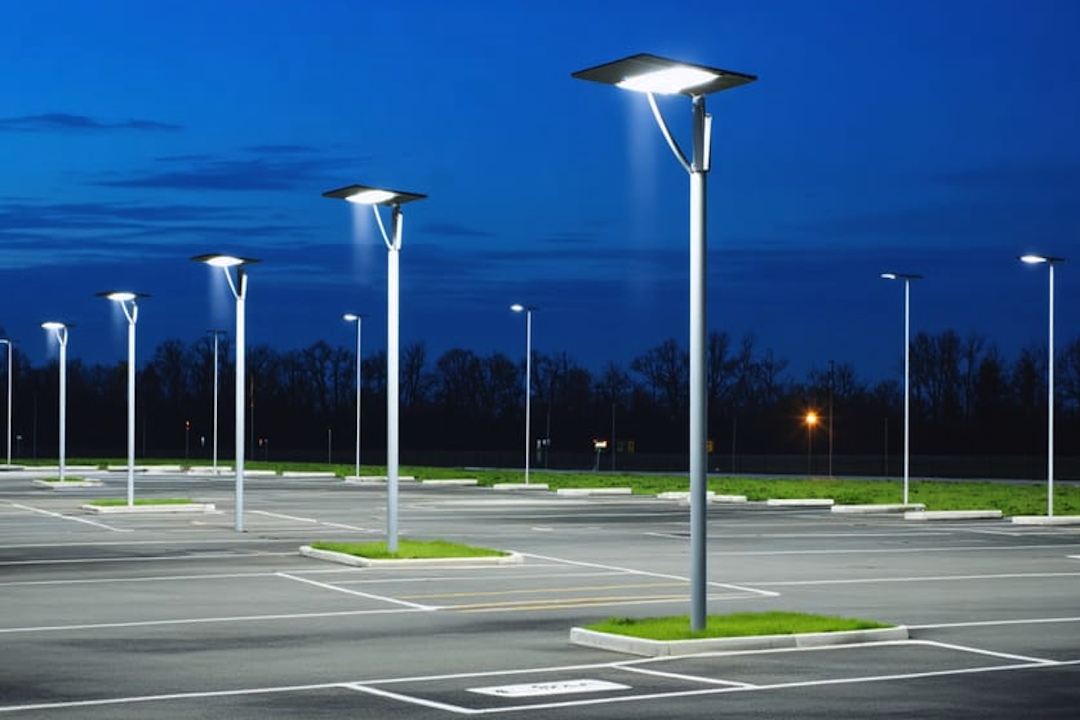
When considering lighting solutions for parking lots, especially in locations without easy access to the electrical grid or where reducing energy costs is a priority, high-power and waterproof solar parking lot lights offer a practical and effective alternative. These systems integrate solar panels, batteries, and LED luminaires into a single unit or a closely coupled system, designed to operate autonomously, converting sunlight into electricity during the day to power the lights at night. The ‘ultimate’ version of these lights typically refers to models that prioritize high lumen output for effective illumination, robust weatherproofing for longevity, and intelligent power management for consistent performance.
High-power in the context of solar parking lot lights Lamolighting generally refers to a significant lumen output, often comparable to or exceeding traditional grid-tied HID (High-Intensity Discharge) or even some LED fixtures. This means the ability to effectively illuminate large areas, ensuring visibility and safety.
The Core Components and Their Roles
Each element plays a crucial role in the overall efficiency and lifespan of the light.
- Solar Panel: This is the energy collector. For high-power systems, larger and more efficient monocrystalline or polycrystalline panels are preferred. Their size directly impacts how much sunlight can be converted into electricity and thus how quickly the battery can charge. Panel wattage is a key indicator of its power generation capability.
- Battery: The energy storage unit. High-power lights demand larger capacity batteries, typically LiFePO4 (Lithium Iron Phosphate) due to their longer lifespan, stability, and higher discharge efficiency compared to older lead-acid alternatives. The battery’s capacity (measured in Watt-hours or Amp-hours) dictates how long the light can operate on a single charge and how many consecutive cloudy days it can endure.
- LED Luminaire: The light source itself. High-power versions utilize multiple high-efficiency LED chips to achieve significant lumen output. The design of the luminaire, including optics and heat sinks, is critical for directing light effectively and managing heat, which impacts LED lifespan.
- Charge Controller: The brain of the system. This device regulates the flow of electricity from the solar panel to the battery during charging and from the battery to the LED during operation. Advanced controllers use Maximum Power Point Tracking (MPPT) technology to optimize charging efficiency and prevent overcharging or deep discharging of the battery, thereby prolonging its life.
- Housing and Mounting: The physical structure protecting the internal components. This needs to be robust, often made from aluminum alloy, and designed to withstand environmental stressors.
Lumen Output vs. Power Consumption
It’s important to differentiate between the power consumed by the LED array (measured in watts) and the actual light output (measured in lumens). A higher wattage LED doesn’t automatically mean a brighter light if the LEDs are less efficient. For parking lots, look for systems that offer a high lumen-per-watt ratio. For example, a 150W LED might produce 20,000 lumens, which is a good indicator of effective area illumination. Different optical distributions (Type II, Type III, Type IV, etc.) are available to direct light appropriately for various parking lot layouts.
Illumination Standards for Parking Lots
Effective parking lot lighting isn’t just about brightness; it’s also about uniformity and minimizing glare. Industry standards, such as those set by the Illuminating Engineering Society (IES), provide guidelines for average maintained foot-candles (or lux) and uniformity ratios. For example, general parking areas might require an average of 1-foot candle, while entrances and exits might need more. High-power solar lights should be capable of meeting these standards for safety and security.
The Importance of Waterproofing and Durability
Given that these lights are exposed to the elements 24/7, waterproofing and overall durability are non-negotiable. Skipping on these aspects can lead to premature failure and costly replacements.
IP Ratings Explained
The Ingress Protection (IP) rating is a standard used to classify the degree of protection provided against dust and water.
- First Digit (Solids): Ranges from 0 (no protection) to 6 (dust-tight). For outdoor lighting, a rating of 6 is ideal, ensuring no dust or fine particles can enter the enclosure.
- Second Digit (Liquids): Ranges from 0 (no protection) to 8 (protected against prolonged immersion). For parking lot lights, an IP rating of at least 65 (protected against jets of water from any direction) is generally considered a minimum. Many high-quality units will feature IP66 or even IP67 (protected against temporary immersion), providing enhanced protection against heavy rain, snow, and even temporary puddling or splashes if the unit is mounted low.
Material Selection for Longevity
The materials used in the construction significantly influence the light’s lifespan and resistance to environmental factors.
- Housing: Aluminum alloy is a common choice due to its excellent heat dissipation properties and corrosion resistance. Die-cast aluminum is often preferred for its strength and ability to create precise, tightly sealed enclosures.
- Lenses/Diffusers: Toughened glass or UV-stabilized polycarbonate are frequently used for lenses, offering impact resistance and preventing yellowing over time due to sun exposure.
- Seals and Gaskets: High-quality silicone gaskets are crucial for maintaining the IP rating. They should be resistant to UV radiation and extreme temperatures to prevent cracking or degradation.
- Mounting Hardware: Stainless steel or galvanized steel is essential for mounting brackets and fasteners to prevent rust and ensure structural integrity over years of exposure.
Wind Load Resistance
Parking lot lights, especially those mounted on tall poles, are susceptible to wind damage. The design of the light, including its aerodynamic profile and the strength of the mounting brackets, should be engineered to withstand local wind loads. This is particularly important for integrated designs where the solar panel, battery, and light head are all housed together at the top of a pole.
Intelligent Power Management and Operation Modes
Beyond brute force power, smart technology is what truly elevates solar parking lot lights to the ‘ultimate’ level, ensuring consistent, reliable performance regardless of weather conditions.
MPPT Charge Controllers
As mentioned earlier, Maximum Power Point Tracking (MPPT) controllers are superior to older Pulse Width Modulation (PWM) controllers. MPPT technology maximizes the power harvest from the solar panels by continuously tracking the point at which the panel produces the most power, even under varying temperature and irradiance conditions. This is especially beneficial on cloudy days or during lower light conditions, helping to keep the battery sufficiently charged.
Adaptive Lighting Profiles
The ability to adjust light output based on need is a hallmark of intelligent solar lighting. This conserves battery power and extends operational runtime.
- Dimming Features: Many systems offer programmable dimming. For instance, the light might operate at 100% brightness for the first few hours after dusk, then dim to 30-50% for the remainder of the night when activity is lower, and then return to 100% for an hour before dawn.
- Motion Sensing: PIR (Passive Infrared) motion sensors are commonly integrated. When no motion is detected, the light stays at a low dimming level (e.g., 10-30%). Upon detecting movement, it brightens to full intensity, providing illumination when needed and saving power otherwise. The delay before dimming back down is usually programmable.
- Daylight Harvesting: Integrated photocells automatically turn the light on at dusk and off at dawn, ensuring efficient operation without manual intervention.
Battery Management System (BMS)
For LiFePO4 batteries, a sophisticated Battery Management System (BMS) is vital. It monitors individual battery cells, balances their charge, prevents overcharging, over-discharging, and over-current conditions, and provides temperature protection. A reliable BMS significantly extends the battery’s lifespan and ensures safe operation.
Remote Monitoring and Control (Optional)
Some advanced solar parking lot light systems offer remote monitoring and control capabilities through cellular or satellite communication. This allows facility managers to:
- Monitor battery status and solar panel performance.
- Adjust lighting schedules and dimming profiles.
- Receive alerts for potential issues or malfunctions.
- Troubleshoot problems remotely, reducing maintenance costs.
Installation and Maintenance Considerations
While solar lights generally reduce ongoing electricity costs, proper installation and infrequent maintenance are still important for optimal performance and longevity.
Pole Selection and Mounting Height
The height of the pole directly impacts the spread and intensity of light. Taller poles generally cover a larger area but require higher lumen output from the fixture to achieve adequate ground illumination. Consulting lighting layouts and photometric studies is crucial to determine the optimal pole height and spacing for a given parking lot design. The mounting hardware must be robust enough to support the weight of the integrated solar light unit and withstand environmental forces.
Solar Panel Orientation and Shading
For maximum energy harvest, solar panels need to be oriented correctly. In the Northern Hemisphere, panels should face true south, and in the Southern Hemisphere, they should face true north, with an optimal tilt angle roughly equal to the site’s latitude. Crucially, the panels must be free from shading throughout the day, especially during peak sunlight hours. Even partial shading can drastically reduce power output due to the series connection of solar cells. Any trees, buildings, or other structures that might cast shadows should be carefully considered during site planning.
Commissioning and Initial Setup
After installation, the system needs to be commissioned. This typically involves connecting battery cables, ensuring the charge controller is active, and verifying the light’s programmed operating schedule. Some systems require an initial charge period before full operation.
Routine Maintenance
While minimal, some maintenance helps preserve performance:
- Panel Cleaning: Periodically cleaning dust, dirt, bird droppings, and snow from the solar panels is important to maintain their efficiency. The frequency depends on the local environment.
- Battery Inspection (if applicable): For systems with accessible batteries, occasional visual inspection for signs of wear or damage may be warranted, although sealed LiFePO4 batteries are largely maintenance-free.
- Fixture Inspection: Checking the light fixture, mounting hardware, and wiring for any signs of physical damage or loose connections.
- Tree Trimming: If trees have grown since installation and are now shading the panels, periodic trimming may be necessary.
Environmental and Economic Advantages
Beyond the technical specifications, the overarching benefits of such a system are both environmental and economic.
Reduced Carbon Footprint
By relying solely on solar energy, these lights produce no direct carbon emissions during operation. This contributes to reducing the overall carbon footprint of a facility and aligns with sustainability goals.
Cost Savings
The primary economic driver for solar parking lot lights is the elimination of electricity bills for lighting. While the initial capital expenditure can be higher than grid-tied equivalents, the long-term operational savings can be substantial, especially over the lifetime of the system which can be 10-20 years or more for high-quality components.
- No Trenching Costs: For new installations or locations far from existing power lines, significant cost savings come from avoiding the expense of trenching, wiring, and connecting to the electrical grid.
- Inflation Hedge: Once installed, the “fuel” (sunlight) is free, making these systems immune to rising electricity prices.
- Eligibility for Incentives: In many regions, solar installations are eligible for various tax credits, rebates, or grants, which can significantly reduce the upfront cost.
Enhanced Security and Safety
Well-illuminated parking lots deter criminal activity and improve visibility for drivers and pedestrians, reducing the risk of accidents. The reliability of solar systems, even during power outages, ensures continuous lighting, which is a key security feature.
Scalability and Flexibility
Solar parking lot lights offer flexibility in deployment. Individual units can be installed where needed without being dependent on a grid connection point, allowing for phased expansion or relocation as site needs change.
In conclusion, the ‘ultimate’ solar parking lot light is not just a bright light. It’s a precisely engineered system that brings together high-output LED technology, efficient solar energy harvesting, robust weatherproofing, and smart power management. These units are designed to deliver reliable, high-performance illumination autonomously, providing a practical, sustainable, and economically sound solution for a wide range of parking lot applications.

You May Also Like

Enhance Your Bedroom with Eclipse Marble Wall Sconce
October 25, 2025

Illuminate Your Space with a Bedroom Bow Bell Wall Lamp
September 16, 2025

Enhance Your Bedroom with a Chinese Lantern Rattan Chandelier
October 11, 2025

Embrace Bohemian Elegance with a Balcony Chandelier
February 15, 2025

Versatile Lighting: Double Head Adjustable Floor Lamp
March 18, 2026
Editors' Choice

Creating Ambiance: Soft Glow Circular Wall Lamp
April 1, 2026


Kitchen and Dining Room Design Tips
March 23, 2023
+ There are no comments
Add yours