
Contemporary Lotus Acrylic Ceiling Light
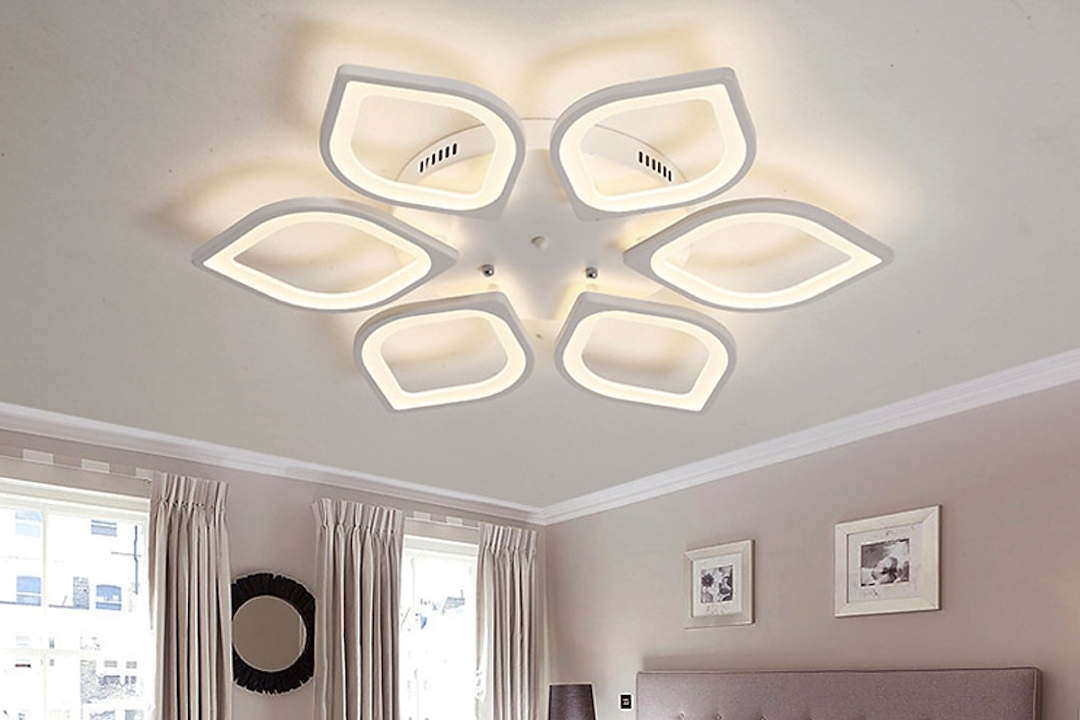
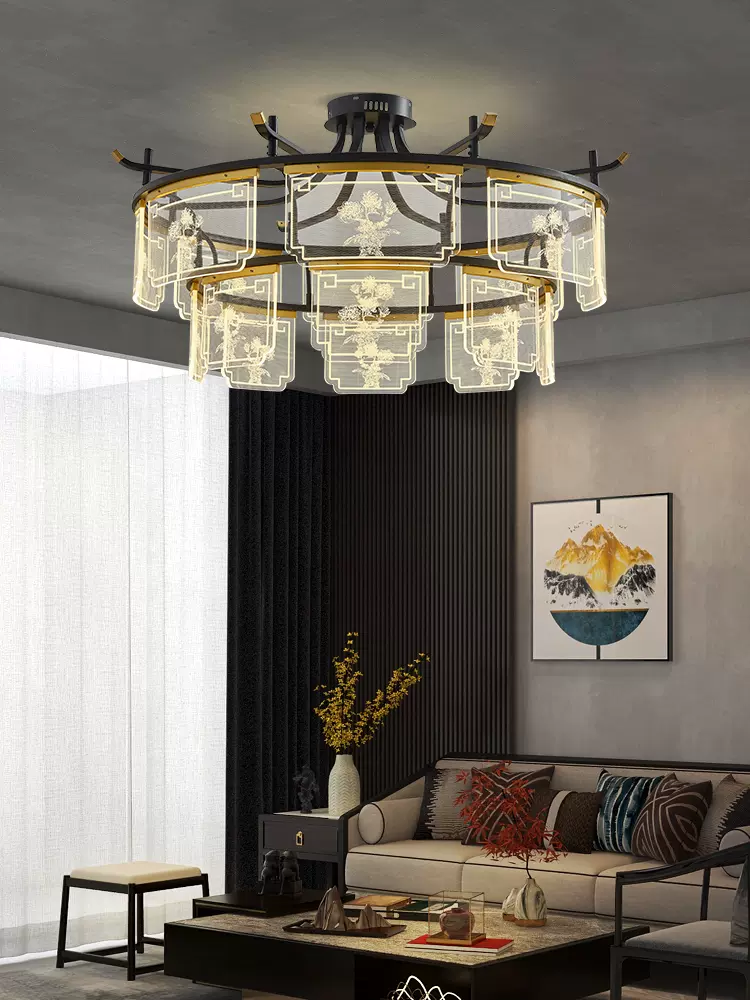
So, you’re looking at updating your home’s lighting and the “Contemporary Lotus Acrylic Ceiling Light” has caught your eye. Good choice for a lot of reasons. Essentially, it’s a modern take on a classic design element, bringing a bit of nature-inspired flair into your space without feeling fussy or outdated. Think clean lines meeting organic shapes. It offers a soft, diffused light that’s easy on the eyes and can really change the mood of a room. It’s not just a light fixture; it’s designed to be a statement piece that complements a variety of interior styles.
You might be wondering why acrylic is a popular choice for ceiling lights Vopdesign like this. It’s not just a random material. Acrylic has some definite advantages that make it a practical and aesthetically pleasing option for lighting solutions.
Durability Matters
Honestly, a big plus for acrylic is its toughness. Unlike glass, which can be notoriously fragile, acrylic is much more resistant to breaking or cracking. This is a huge benefit, especially for ceiling fixtures that are out of immediate reach but still susceptible to accidental bumps. Think about moving furniture or even just cleaning the area around it. Acrylic can handle that better than delicate glass.
Lightweight Advantage
Another practical aspect is weight. Acrylic is significantly lighter than glass. This makes installation a good deal easier. Fewer hands might be needed, and you’re less likely to strain yourself trying to hold up a heavy fixture while fumbling with wires. Homeowners often appreciate this ease of installation, whether they’re doing it themselves or relying on a professional.
Light Diffusion Properties
Acrylic is great at diffusing light. It scatters the light source evenly, preventing harsh shadows or glare. This creates a softer, more ambient glow that’s generally more comfortable and visually appealing in a living space. You get a consistent illumination that doesn’t feel overly bright or stark, which is perfect for creating a relaxing atmosphere.
Design Flexibility
From a design standpoint, acrylic is incredibly versatile. It can be molded and shaped into a wide range of forms, which is precisely why you see unique designs like the lotus blossom. Manufacturers can achieve intricate details and smooth, flowing lines that might be difficult or prohibitively expensive with other materials.
The Lotus Design: More Than Just a Pretty Shape
The “Lotus” in the name isn’t just for show; it’s a deliberate design choice that can bring a certain aesthetic and psychological feel to your room. It taps into a natural form that many find calming and beautiful.
Organic Inspiration
The lotus flower is a symbol of purity, enlightenment, and rebirth in many cultures. While you don’t need to be a symbolism expert to appreciate the fixture, this organic inspiration translates into a design that’s graceful and somewhat serene. It can bring a touch of the natural world indoors, which can be a welcome contrast to more geometric or industrial design elements.
Visual Appeal
Visually, the layered petals of a lotus shape create depth and interest. It’s not a flat, boring disc on your ceiling. The way the acrylic is shaped can mimic the unfolding of a flower, adding a dynamic element to the fixture itself, even when it’s not illuminated.
Softening the Space
The curves and organic lines of a lotus design tend to soften a room. In spaces that might feel a bit too stark or angular, a fixture like this can introduce a sense of flow and gentleness. It provides a visual break from straight lines and can make a room feel more inviting.
Integration into Your Home’s Decor
Thinking about how this light fixture will actually fit into your existing decor is key. It’s not about forcing a trend onto your home, but finding pieces that complement what you already have.
Modern and Minimalist Homes
This type of light fits surprisingly well into modern and minimalist interiors. The clean acrylic material and the often simplified lotus form avoid unnecessary adornments. It can add a subtle decorative touch without cluttering the visual space, which is exactly what minimalist design aims for. The fixture becomes functional art.
Transitional and Eclectic Styles
Many people find that this light works beautifully in transitional or eclectic homes. These styles often blend different eras and aesthetics. The organic shape of the lotus can add a touch of natural elegance to a room, while the acrylic keeps it feeling contemporary. It can act as a bridge between different design elements, providing a unifying visual thread.
Adding a Touch of Nature
If your home leans towards natural or biophilic design, a lotus fixture can be a straightforward way to incorporate a nature-inspired element. It’s a direct nod to flora without being overtly floral or kitschy. It can enhance the feeling of bringing the outdoors in.
Lighting Quality and Functionality: What to Expect
Beyond the looks, how does it actually perform as a light source? This is where practicality really comes into play.
Ambient vs. Task Lighting
Most contemporary lotus acrylic ceiling lights are designed to provide ambient lighting. This means they are meant to illuminate the entire room evenly, creating a general level of brightness. They aren’t typically designed for intense task lighting directly beneath them, like for reading or detailed work. For those activities, you’d likely want supplementary lamps.
Light Temperature and Brightness
When choosing, pay attention to the light temperature (measured in Kelvin, K) and brightness (lumens).
- Warm White (2700K-3000K): This is similar to incandescent bulbs, creating a cozy, inviting atmosphere. Great for living rooms and bedrooms.
- Cool White (4000K-5000K): Brighter and more energizing, good for kitchens or workspaces where you need clarity.
- Daylight (5000K+): Very bright, mimicking natural daylight. Use sparingly, as it can feel quite stark indoors.
For ambient lighting, warm white or a neutral white (around 3000K-3500K) is often preferred for its comfort. Lumens will determine how bright the overall light output is. A larger room will need more lumens than a smaller one.
Dimmable Options
A significant functional advantage is when the light is dimmable. This allows you to adjust the mood of the room throughout the day and for different occasions. You can have bright, general light when needed, and then dim it down for a more relaxed evening. Check the product specifications to see if dimming is supported and what type of dimmer switch is compatible.
Installation and Maintenance: Keeping it Simple
Even the most beautiful light fixture needs to be practical to install and maintain. This is where the acrylic’s properties really shine.
Installation Process
Generally, installing a ceiling light involves basic electrical wiring and mounting the fixture to the ceiling electrical box.
- Turn off power: Always the first and most crucial step. Locate your breaker box and switch off the power to the relevant circuit.
- Remove old fixture: Carefully detach the existing light.
- Mounting bracket: Most fixtures come with a mounting bracket that attaches to the ceiling box.
- Wiring: Connect the wires from the ceiling to the fixture’s wires (usually black to black, white to white, and ground to ground). If there’s a dimmer, ensure it’s wired correctly.
- Attach fixture: Secure the main body of the light to the mounting bracket.
- Install the diffuser: The acrylic lotus part is typically the last step to attach.
Because acrylic is lighter, the physical act of holding and wiring the fixture can be less strenuous.
Cleaning and Care
Maintenance is usually straightforward with acrylic.
- Dusting: Regular dusting with a soft, dry cloth will keep it looking clean.
- Cleaning smudges: For fingerprints or smudges, use a damp microfiber cloth. You can use a mild, non-abrasive cleaner specifically designed for plastics or acrylics if needed. Avoid harsh chemicals, ammonia-based cleaners, or abrasive pads, as they can scratch the surface.
- Dry thoroughly: After cleaning with a damp cloth, dry the acrylic thoroughly to prevent water spots.
The durability of the acrylic means you don’t have to constantly worry about damaging it during routine cleaning. It’s a low-maintenance material that looks good with minimal effort.

You May Also Like

Enhance Your Bedroom with a Stylish Wall Lamp
June 18, 2024

Elegant Wedding Gift for Classic Home Lighting Enthusiasts
January 5, 2026
Illuminate Your Space with a Stylish Floor Lamp
November 12, 2024
Green Lighting Trends
August 5, 2023


+ There are no comments
Add yours