
Enhance Your Space with Extra Tall Fluted Glass Vanity Light
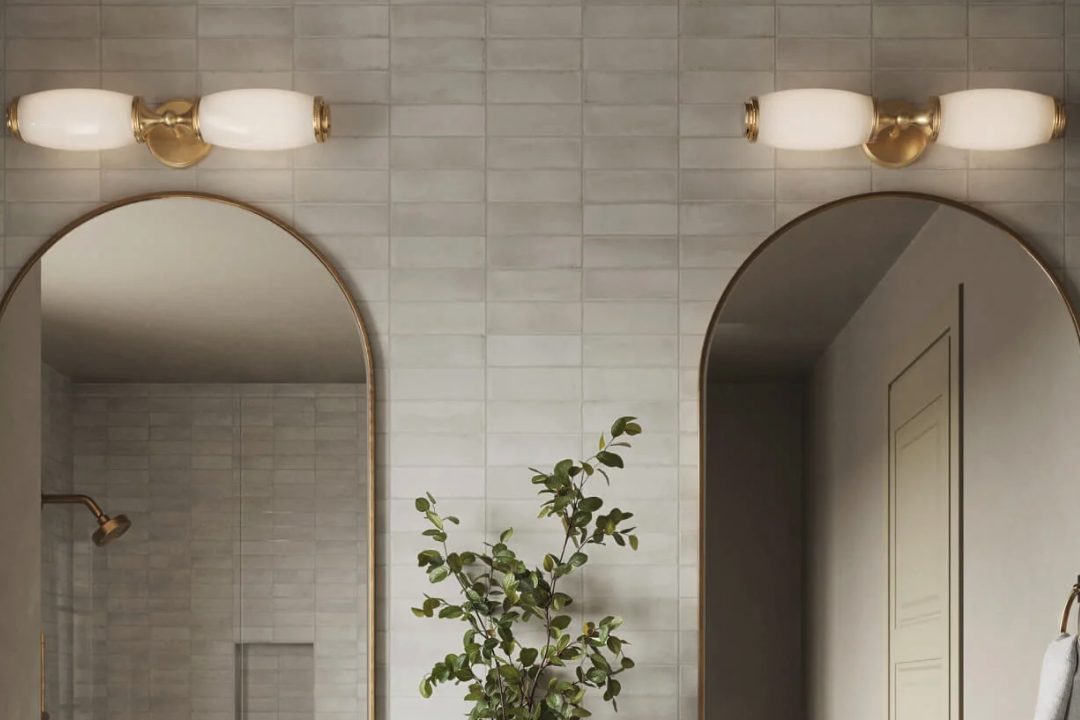
Looking to upgrade your bathroom lighting? An extra-tall fluted glass vanity light can instantly elevate your space, offering both a sophisticated aesthetic and improved illumination. These fixtures aren’t just about looking good; they provide a more encompassing light that’s fantastic for applying makeup, shaving, or simply getting ready for your day.
When we talk about “extra tall” and “fluted glass,” we’re really focusing on two key elements that work together to create a distinctive and functional lighting Shinelightings solution. It’s not just a passing style; there are practical benefits that make this combination a smart choice for many bathrooms.
The Benefits of Being “Extra Tall”
Think about your typical vanity light – often a short bar or a couple of sconces. An extra-tall fixture, by contrast, extends further up or down the wall, offering a few distinct advantages.
Better Light Dispersion for Task Lighting
A longer light source naturally spreads illumination over a wider area. This is particularly beneficial for vanity tasks. Instead of just lighting your face from a narrow band, an extra-tall light provides more even coverage from forehead to chin, minimizing harsh shadows that can make getting ready a challenge. Imagine trying to apply mascara under a single, small spotlight – not ideal! A taller light helps soften those shadows.
Visual Height and Space Enhancement
In bathrooms, especially those with standard or lower ceilings, an extra-tall light can visually stretch the space. It draws the eye upward, creating an illusion of height and making the room feel more expansive and less cramped. This is a subtle but effective design trick.
Architectural Interest and Statement Piece
Let’s be honest, many vanity lights are functional but forgettable. An extra-tall fluted glass fixture becomes a design focal point. It adds architectural interest and can transform a plain wall into a sophisticated backdrop, acting almost like a piece of art rather than just a utility item.
The Charm and Functionality of Fluted Glass
Fluted glass, with its distinctive vertical ridges, has been around for ages, but it’s seeing a big comeback, and for good reason. It offers a beautiful balance between aesthetics and light diffusion.
Soft, Diffused Illumination
The fluting isn’t just for looks. Those ridges work to gently diffuse the light, scattering it in a way that reduces harsh glare and creates a softer, more ambient glow. This is crucial in a bathroom where you want good light for tasks but also a relaxing atmosphere. Think of it as a built-in light filter.
Adding Texture and Depth
In a room often dominated by smooth, hard surfaces like tiles and mirrors, fluted glass introduces a much-needed element of texture. This visual depth adds richness and sophistication, preventing the space from feeling sterile or flat. It’s a subtle way to layer design elements.
A Touch of Vintage Elegance with Modern Appeal
Fluted glass has a timeless quality. It can evoke a sense of vintage charm, reminiscent of Art Deco or mid-century designs, while still feeling incredibly fresh and modern. This versatility means it can seamlessly integrate into various bathroom styles, from contemporary to transitional.
Sizing it Up: How to Choose the Right Dimensions
Selecting the right size for your extra-tall fluted glass vanity light isn’t just about liking how it looks in a picture. It requires a bit of practical consideration to ensure it fits your space and provides optimal lighting.
Measuring Your Mirror and Vanity
Before you even start browsing, grab a tape measure. These numbers will be your guiding principles.
Width Relative to Mirror/Vanity
A general rule of thumb is that your vanity light (or lights, if you’re using a pair of sconces) should ideally be about 75% the width of your mirror. If you have a particularly wide mirror, a single extra-tall fixture might sit nicely above or to one side, or you might opt for two. For a single mirror, avoid having the light extend wider than the mirror itself; it can look unbalanced.
Height Clearance from Ceiling and Faucet
This is where “extra tall” needs careful planning. Measure the distance from the top of your mirror or cabinet to the ceiling. You don’t want your new light fixture to feel crammed or touch the ceiling. Similarly, consider the space above your faucet. While many tall lights are designed to go above the mirror, some can extend downwards. Ensure there’s ample clearance so the light doesn’t interfere with the faucet or make it difficult to clean.
Considering Single vs. Double Vanity Setups
The number of sinks and mirrors you have plays a significant role in your lighting layout.
Single Vanity: Focal Point Lighting
For a single vanity, an extra-tall fluted glass light can be a stunning central piece mounted horizontally above the mirror or vertically as a pair of sconces flanking it. If mounted horizontally, ensure its length is proportionate to your mirror’s width. If using a pair of vertical sconces, they should be positioned to cast even light across your face.
Double Vanity: Symmetrical or Central Approach
With a double vanity, you have a few options. The most common is to use two extra-tall lights, one above each mirror or flanking each mirror. This creates a balanced, symmetrical look. Alternatively, for a very wide double vanity, a single, very long extra-tall fixture mounted centrally above both mirrors can work, providing a continuous line of light. The key is consistent illumination across both stations.
Placement Perfection: Where to Install for Best Results
Even the most beautiful light fixture won’t perform well if it’s not positioned correctly. Proper placement ensures optimal illumination for tasks and enhances the overall ambiance of your bathroom.
Optimal Height for Task Lighting
This is arguably the most crucial aspect of vanity light installation.
Eye-Level or Slightly Above for Even Illumination
The ideal height for vanity lighting is typically around eye-level or slightly above, generally between 60-70 inches from the floor to the center of the light fixture. This positioning helps minimize harsh shadows under your chin and eyes, providing an even glow that’s perfect for makeup application, shaving, or styling hair. If the light is too high, it will cast shadows down your face. Too low, and it might glare into your eyes or create unflattering upward shadows.
Avoiding Glare and Shadows
Fluted glass already helps diffuse light, but placement still matters. Avoid positioning the light directly over your head, as this creates shadows directly on your face. Similarly, if you’re using side sconces, ensure they are spaced adequately to prevent a “spotlight” effect on your cheeks and nose, aiming for broad, even coverage.
Horizontal vs. Vertical Mounting Options
Extra-tall fluted glass vanity lights often come with flexibility in how they can be installed.
Above the Mirror (Horizontal)
Many extra-tall vanity lights are designed to be mounted horizontally above the mirror. This is a classic placement and works well when the fixture’s length is appropriate for the mirror’s width. When mounted horizontally, ensure the light is centered above the mirror for visual balance and to provide even light across the vanity area.
Flanking the Mirror (Vertical Sconces)
For a more traditional or sophisticated look, consider using two extra-tall fluted glass sconces mounted vertically, one on either side of the mirror. This provides excellent cross-illumination, reducing shadows and offering a very flattering light. When flanking, the sconces should typically be placed about 36 inches apart from center to center (for a standard 24-inch mirror), though this can vary depending on mirror width.
Style Synergy: Integrating with Your Bathroom Decor
An extra-tall fluted glass vanity light isn’t just a utilitarian object; it’s a significant design element. Making sure it harmonizes with your existing or planned bathroom style is key to a cohesive and attractive space.
Matching Finishes and Materials
Consistency in finishes and materials creates a polished and intentional look.
Hardware Harmony (Faucets, Cabinet Pulls)
Take a cue from your existing bathroom hardware. If your faucets, showerhead, and cabinet pulls are brushed nickel, chrome, matte black, or brass, try to find a vanity light fixture with a similar finish. This doesn’t mean everything has to be identical, but a consistent palette of metals helps to tie the room together beautifully. Mixing too many different metal finishes can make the space feel chaotic.
Complementing Tile and Paint Colors
Consider the color temperature of the light your fluted fixture emits (we’ll touch on this later), but also the fixture’s base color itself. A dark bronze fixture can beautifully contrast with light tiles, while a polished chrome might disappear against white subway tile but pop against a dark accent wall. Think about how the light fixture’s base color interacts with your wall paint and tile choices.
Incorporating into Different Design Aesthetics
The versatility of fluted glass allows it to fit into various bathroom styles.
Modern and Minimalist Bathrooms
For a modern or minimalist aesthetic, choose an extra-tall fluted glass fixture with clean lines and a simple, unadorned metal finish like matte black, polished chrome, or brushed nickel. The fluting itself adds a subtle texture without overwhelming the sleekness of the space. It provides interest without clutter.
Transitional and Contemporary Spaces
Transitional bathrooms, which blend traditional and modern elements, are a perfect home for fluted glass. A fixture with a brass or bronze finish can lean into the traditional side, while the fluting keeps it current. Contemporary spaces will appreciate the textural quality and refined look of these lights.
Art Deco or Vintage-Inspired Themes
Fluted glass has strong ties to Art Deco design, making it an excellent choice for vintage-inspired bathrooms. Look for fixtures with bolder metalwork, perhaps in polished brass or a darker bronze, to really lean into that classic, glamorous feel. The linear quality of the fluting complements the geometric patterns often found in Art Deco.
Practical Considerations Beyond Looks
While aesthetics are important, the practicalities of a light fixture are what make it truly functional and enjoyable to live with day-to-day. Don’t overlook these essential details.
Understanding Light Bulbs and Color Temperature
This is crucial for both function and ambiance in your bathroom.
LED Bulbs: Efficiency and Longevity
Always opt for LED bulbs. They are incredibly energy-efficient, last much longer than traditional incandescent or fluorescent bulbs, and generate less heat. This is beneficial in a bathroom where you might spend extended periods, and less heat means less energy wasted. Many extra-tall fluted fixtures are designed for specific LED bulbs or even have integrated LED arrays.
Kelvin Scale: Warm vs. Cool Light
The “color temperature” of light, measured in Kelvins (K), significantly impacts how your bathroom feels and how accurately you see colors.
- 2700K-3000K (Warm White): This produces a soft, inviting, yellowish light, similar to incandescent bulbs. It’s great for creating a relaxing, spa-like atmosphere, but might not be the best for applying makeup as it can subtly alter how colors appear.
- 3500K-4000K (Neutral White): This is often considered the best choice for bathrooms. It’s a balanced, clean white light that provides excellent clarity for tasks like makeup and shaving without feeling too harsh or too yellow. It accurately renders colors.
- 5000K+ (Cool White/Daylight): This mimics natural daylight and is very bright and crisp, with a bluish tint. While excellent for tasks requiring high precision, it can feel sterile or clinical for a bathroom. It’s typically brighter than most people prefer for general bathroom use.
For a vanity, aiming for something in the 3500K-4000K range is usually the sweet spot.
Dimmer Compatibility and Ambiance Control
A dimmer switch isn’t just a luxury; it’s a highly practical feature for bathroom lighting.
Adjusting Brightness for Different Activities
Being able to dim your extra-tall fluted glass vanity light allows you to transition the bathroom from a brightly lit task area to a soft, relaxing retreat. You might want full brightness for applying makeup in the morning but a gentle, warm glow for a late-night bath. A dimmer offers this versatility.
Creating the Right Mood
The right lighting can completely change the mood of a room. With a dimmer, you can easily shift from functional lighting to ambient mood lighting, making your bathroom a more versatile and enjoyable space. Always ensure the bulbs you choose are “dimmable” and that your dimmer switch is compatible with LED lights.
Installation and Maintenance Tips
Even a beautifully designed light needs proper installation and occasional care.
Professional Installation Recommended
Given that you’re dealing with electrical wiring and potentially heavy, tall fixtures, professional installation is almost always recommended. An electrician will ensure the fixture is safely and correctly wired, securely mounted, and up to code. This prevents potential hazards and ensures the light functions as intended.
Cleaning Fluted Glass
Fluted glass, while beautiful, can sometimes collect dust more readily in its grooves than smooth glass. For general cleaning, a soft, damp microfiber cloth is usually sufficient. For more stubborn dust or grime, a gentle glass cleaner (applied to the cloth, not sprayed directly on the fixture) can be used. Always ensure the light is turned off and cooled down before cleaning. Regular, gentle cleaning will keep your fluted glass looking pristine.
By considering these practical aspects alongside the aesthetic appeal, you’ll ensure your extra-tall fluted glass vanity light isn’t just a stunning addition but also a highly functional and durable part of your enhanced bathroom space.

You May Also Like
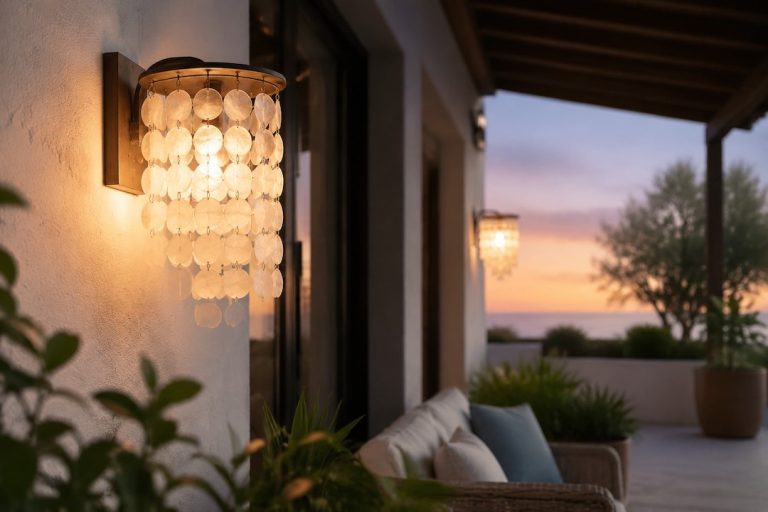
Enhance Your Outdoor Space with a Capiz Shell Wall Light
August 10, 2026
Long-lasting Metal Arm Wall Lamp with Fabric Shade
January 12, 2026
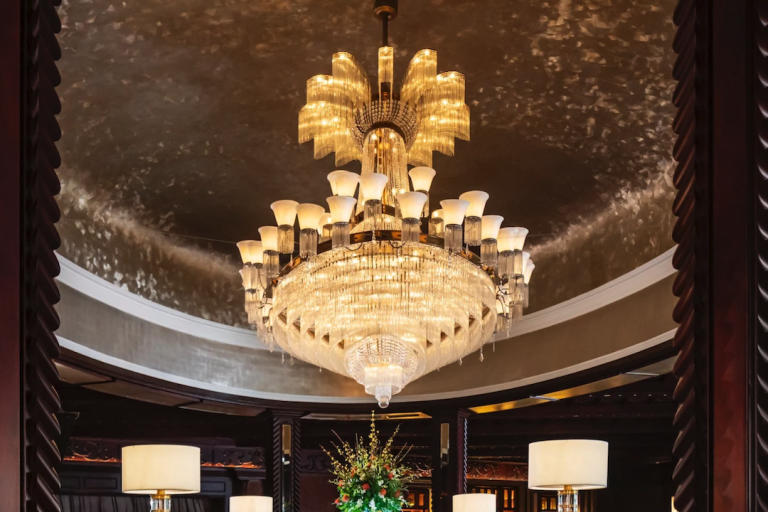
Exquisite Chandelier Adds Luxury to Hotel Bar
September 2, 2025
Editors' Choice
Exquisite Chandelier Adds Luxury to Hotel Bar
September 2, 2025

The Advantages of Office Equipment Rental
September 1, 2023
Cozy Up Your Space with a Living Room Warm Ceiling Lamp
August 21, 2024