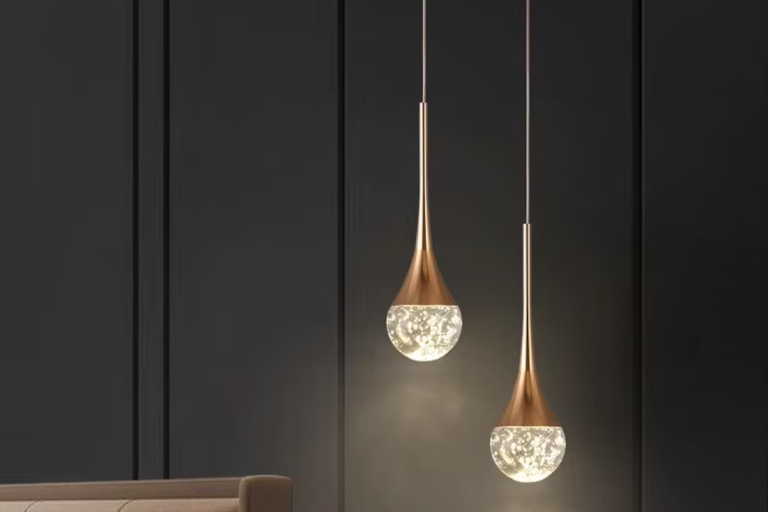
Redefining Space: Small Space Lighting Trends
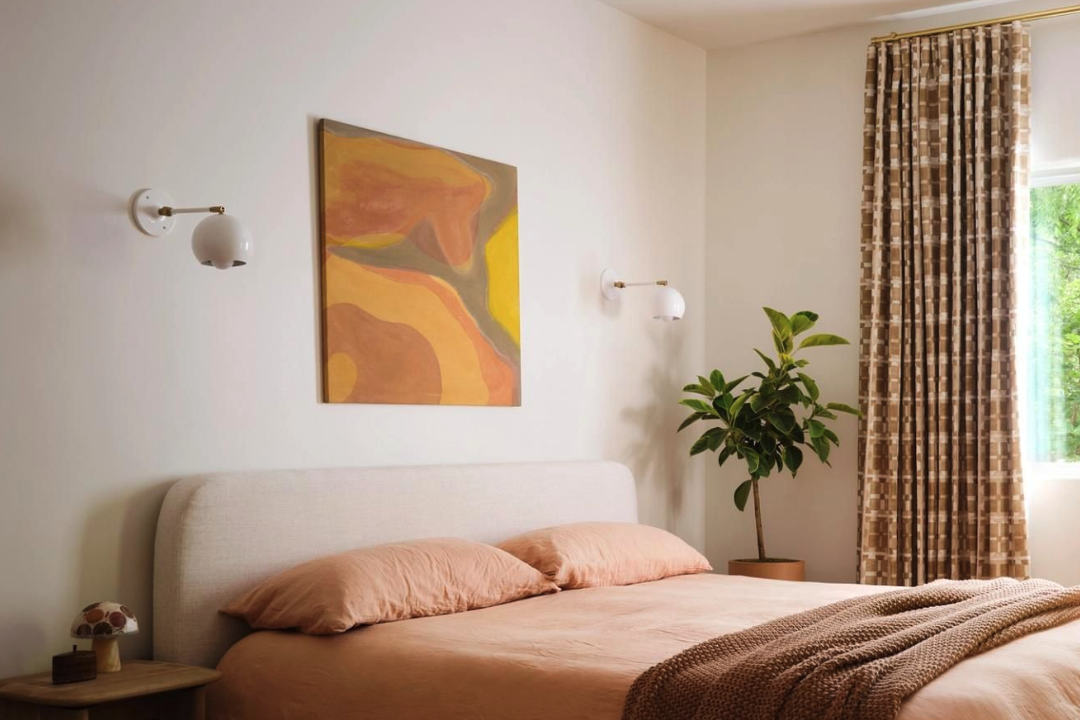
Living small doesn’t mean living in the dark. In fact, it’s quite the opposite! Redefining space with smart lighting is a huge trend right now, and it’s all about making your compact dwelling feel bigger, brighter, and more functional. Think less about cramming in furniture and more about strategically using light to trick the eye and serve multiple purposes. This isn’t just about slapping a lamp in the corner; it’s about intelligent design that transforms how you experience your home.
One of the biggest shifts in small space lighting Pareilclothing is moving away from the single, harsh overhead light. That’s the quick way to make a room feel smaller and less inviting. Instead, we’re seeing a focus on layering different types of light to create depth, mood, and functionality.
Ambient Lighting: The Foundation of Your Glow
Ambient lighting is your base layer, providing general illumination for the entire room. For small spaces, this means finding ways to diffuse light softly.
Recessed Lighting Done Right
Recessed lights can be great, but in tiny rooms, too many can feel like a sterile interrogation room. The trend is towards fewer, strategically placed fixtures.
- Consider Wider Spacing: Instead of cramming them in, space them out to cast a broader, softer pool of light.
- Dimmable is Key: Always opt for dimmable recessed lights. This allows you to adjust the mood and intensity, making the space feel more versatile.
- Warm White is Your Friend: Look for bulbs in the 2700K-3000K range. This warm, yellowish light is much more inviting than cool, blueish tones.
Pendant Lights as Statement Pieces
A well-chosen pendant light can add significant style and diffuse light effectively without overwhelming the space.
- Size Matters (Obviously): Don’t go for anything too large or visually heavy. Think delicate structures or those with woven shades that allow light to filter through.
- Placement for Purpose: A pendant over a dining nook or a kitchen island can define that zone and provide task lighting without needing a separate fixture.
- Consider Multiple Small Pendants: Instead of one large one, a cluster of three smaller pendants can create a dynamic visual and distribute light more evenly.
Task Lighting: Illuminating Your Activities
This is where you get practical. Task lighting focuses light on specific areas where you do things – reading, cooking, working.
Under-Cabinet and Shelf Lighting: Unlocking Hidden Space
This is a game-changer for kitchens and workspaces in small apartments.
- Kitchen Cabinets: LED strips under upper cabinets can illuminate your countertops, making food prep easier and safer. It also makes the lower cabinets feel further away, visually expanding the kitchen.
- Bookshelves and Display Units: Integrated LED strips inside or beneath shelves can highlight your decor and create a cozy, inviting atmosphere. This draws the eye up and out.
- Cordless Options: For renters or those who hate visible wires, battery-operated LED strips are becoming increasingly sophisticated and easy to install.
Wall Sconces for Focused Illumination
Wall sconces are fantastic for small spaces because they don’t take up floor or tabletop space.
- Reading Nooks: A slim, adjustable sconce beside a sofa or armchair is perfect for dedicated reading zones.
- Hallways and Entryways: These can provide crucial light without obstructing movement. Consider upward-facing sconces to bounce light off the ceiling, making the space feel taller.
- Accent Sconces: Small, decorative sconces can highlight artwork or architectural features, adding visual interest.
Accent Lighting: Drawing the Eye and Creating Depth
Accent lighting is all about highlighting specific features and adding layers of interest. It’s what makes a space feel curated rather than just lit.
Spotlights for Art and Decor
Small, adjustable spotlights can draw attention to your favorite pieces.
- Track Lighting (Smartly Used): Instead of a long, industrial track, consider a short, discreet track with a few adjustable heads.
- Picture Lights: These dedicated lights are designed to illuminate artwork without causing glare.
- Don’t Overdo It: The goal is to highlight, not to create a museum. Choose one or two key features to illuminate.
Uplighting for Verticality
Directing light upwards is a brilliant trick for making ceilings feel higher.
- Floor Lamps with Uplight Features: Many modern floor lamps have a secondary uplight.
- Hidden LED Strips: Placing LED strips behind furniture or along the top of cabinets to cast light upwards can dramatically change the perception of height.
Smart Lighting Solutions: Tech Meets Tiny Living
Smart lighting isn’t just a novelty; it’s a powerful tool for optimizing small spaces. The ability to control brightness, color, and scheduling makes your lighting incredibly adaptable.
The Versatility of Smart Bulbs
These are the entry point for many into smart home technology, and they offer a lot of bang for your buck.
- Color Changing Capabilities: While you might not want a disco in your living room, the ability to shift from bright, cool white for working to warm, cozy tones for relaxing is invaluable.
- Dimming Without Extra Wiring: No need for dimmer switches. You control the brightness from your phone or voice assistant.
- Scheduling and Automation: Set lights to turn on at dusk and off at dawn, or program them to simulate occupancy when you’re away. This adds security and convenience.
Smart Plugs: Bringing Old Lamps into the New Era
Don’t have smart bulbs? No problem! Smart plugs can make your existing lamps smart.
- Control From Anywhere: Turn lamps on or off remotely, great for when you forget to switch them off before leaving.
- Voice Control Integration: Link your smart plugs to Alexa, Google Assistant, or Siri for effortless control.
- Scheduling for Convenience: Program your bedside lamp to gently illuminate before your alarm, or have your living room lights come on as you arrive home.
Integrated Smart Lighting Systems
For a more cohesive approach, consider systems that offer more advanced features.
- Scene Creation: Design specific lighting “scenes” for different activities – “Movie Night” might dim lights and turn them a warm amber, while “Work Focus” could be bright and neutral.
- Seamless Integration: These systems can often control multiple fixtures and bulbs from a single app or voice command.
- Future-Proofing: If you’re doing a renovation, investing in an integrated system can add significant value and flexibility.
Lighting for Functionality: Making Every Inch Count
In a small space, lighting needs to do more than just look good; it needs to actively improve how you use your home.
Flexible Lighting for Multi-Functional Zones
When one room has to serve multiple purposes, lighting needs to be equally adaptable.
- Desk Lamps that Swivel and Extend: For a desk that doubles as a dining table, an adjustable arm desk lamp is perfect. It can be positioned to illuminate work without glaring on your dinner.
- Floor Lamps with Adjustable Heads: These can be directed to provide ambient light, task lighting for reading, or accent lighting for a corner.
- Bar Carts with Integrated Lighting: Even small, decorative elements can be functional with built-in lighting.
Making Kitchens and Bathrooms Brighter and More Usable
These often compact spaces benefit immensely from thoughtful lighting.
- Layered Kitchen Lighting: Combine overhead ambient light with bright under-cabinet task lighting and perhaps a decorative pendant over a small island or sink.
- Illuminated Vanity Mirrors: For small bathrooms, a mirror with integrated lighting can replace the need for multiple sconces, providing excellent light for grooming.
- Recessed Fixtures in Showers: Ensure these are damp-rated and strategically placed for safety and visibility.
Creating Cozy Corners and Dedicated Zones
Even in an open-plan small apartment, lighting can help define distinct areas.
- Reading Nooks: A focused task light and a warmer ambient light can make a corner of your sofa feel like a private escape.
- “Work Zones”: A desk with its own dedicated task light, even if it’s just a small area of a larger room, helps mentally separate work from relaxation.
- Dining Areas: A pendant light over a small dining table or a strategically placed floor lamp can make the area feel intentionally designed.
The Illusion of Space: How Light Can Trick the Eye
This is where the real magic happens. Lighting is your secret weapon for making a small space feel much larger than it is.
Drawing the Eye Upwards: Defeating Low Ceilings
This is a classic trick that never gets old.
- Uplighting is Your Best Friend: As mentioned before, bouncing light off the ceiling makes it appear higher. Floor lamps with uplight options or strategically placed wall sconces that direct light upwards are fantastic.
- Vertical Lines: Lighting that emphasizes vertical lines, like tall, slim floor lamps or wall sconces positioned along a tall, narrow wall, can enhance the sense of height.
- Avoid Dangling Fixtures That Chop Up Space: While pendants can work, avoid overly large or low-hanging ones that visually break up the vertical plane of the room.
Expanding the Walls: Pushing Boundaries with Light
Light can make walls feel like they recede, creating a more open feel.
- Wall Washing: Directing light from a fixture along a wall, especially a lighter-colored wall, can make the wall appear further away. This is particularly effective with cove lighting or strategically placed wall sconces.
- Backlighting: Illuminating objects or features that are placed in front of a wall, like plants or artwork, can create a sense of depth.
- Mirrors and Light: Combining light sources with mirrors is a powerful way to amplify illumination and create the illusion of more space. Placing a light source opposite a mirror will reflect and double the light.
Creating Depth and Dimension: Avoiding Flatness
A well-lit room has layers and variations in light, preventing it from feeling like a box.
- Shadow Play: Don’t be afraid of subtle shadows. They create contrast and make spaces feel more dynamic and interesting. Too much flat, even lighting is what makes a room feel small and boring.
- Highlighting Textures: Light can bring out the texture of fabrics, artwork, and architectural features, adding visual richness.
- Focusing on Key Areas: By drawing attention to specific points of interest with accent lighting, you distract from the overall size of the room and create a more engaging experience.
Trends in Fixture Design: Style for the Small Scale
The actual fixtures you choose play a huge role in how lighting impacts a small space. Designers are getting incredibly creative.
Minimalist and Discreet Designs
The trend is towards fixtures that blend in or have a subtle presence.
- Slim Profiles: Think thin arms on lamps, very shallow recessed cans, or simple, geometric shapes.
- Integrated LED Strips: These are often hidden within furniture or architectural elements, providing light without adding a bulky fixture.
- Clear or Frosted Glass: These materials diffuse light gently without being visually heavy.
Multi-Functional Fixtures
Why have a lamp when you can have a lamp that also charges your phone or holds your keys?
- Table Lamps with Built-in Wireless Charging: A popular trend that combines illumination with everyday utility.
- Floor Lamps with Shelves or Small Tables: These provide lighting and a surface for books, drinks, or decor.
- Modular Lighting Systems: Some systems allow you to customize the components and function of a fixture.
Natural Materials and Textures
Bringing in natural elements can make a space feel more grounded and less artificial.
- Woven Rattan or Bamboo Shades: These diffuse light beautifully and add a natural, bohemian touch.
- Wood Accents: Fixtures with wooden bases or details can add warmth and a connection to nature.
- Matte Finishes: Instead of high-gloss, which can reflect light harshly, matte finishes offer a softer, more sophisticated look.
Statement Pieces (Done Right)
Even in a small space, a single, well-chosen statement piece can elevate the design.
- Delicate Sculptural Pieces: Think a beautifully crafted metal pendant with an interesting silhouette, but not an overwhelming size.
- Unique Lampshades: A lamp with an unusually shaped or textured shade can become a focal point without taking up extra space.
- Focus on the Light Itself: Sometimes, the most impactful “statement” is the quality and play of light rather than the fixture itself.
Redefining space through lighting in small living areas is all about making smart choices. It’s about seeing light not just as a necessity, but as a powerful design tool. By layering, utilizing technology, and choosing fixtures with intention, you can transform even the coziest of dwellings into something that feels expansive, functional, and utterly your own. It’s about working with your space, not against it.

You May Also Like
Minimalist Pendant Light: Bedroom Illumination
January 20, 2025
Versatile Lighting: Double Head Adjustable Floor Lamp
March 18, 2026
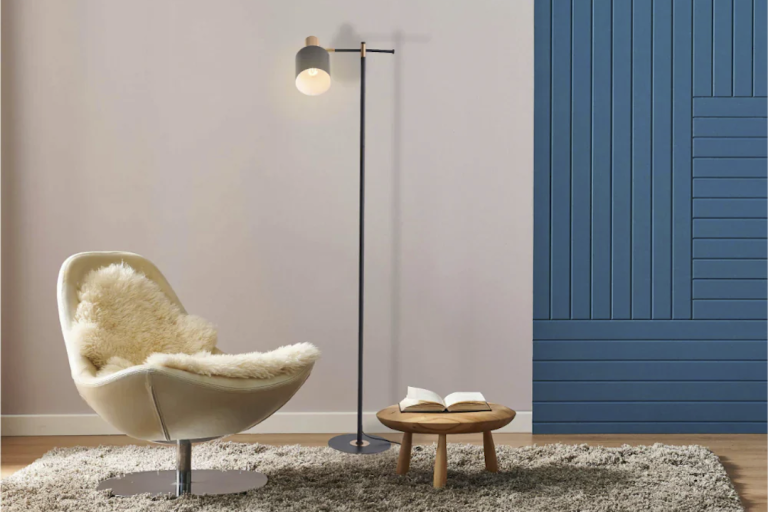
Discover the Popular Nordic Style Floor Lamp
February 8, 2025
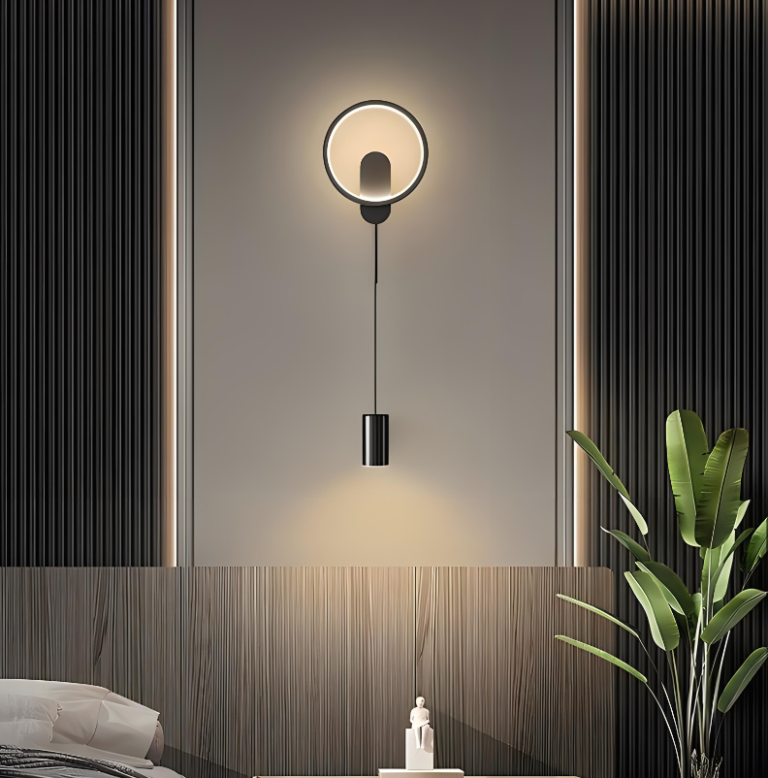
Enhance Your Bedroom Ambience with a Floor Lamp
April 22, 2024
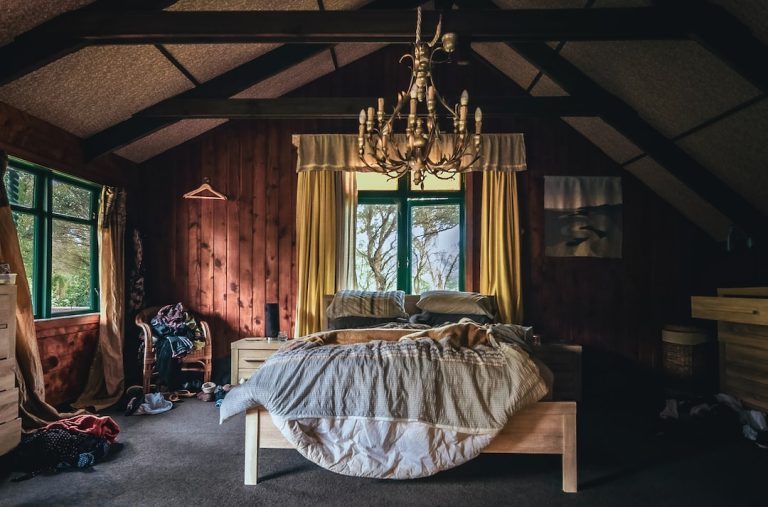
Bedroom Bliss: Elevate Your Space with a Stunning Chandelier
February 16, 2024
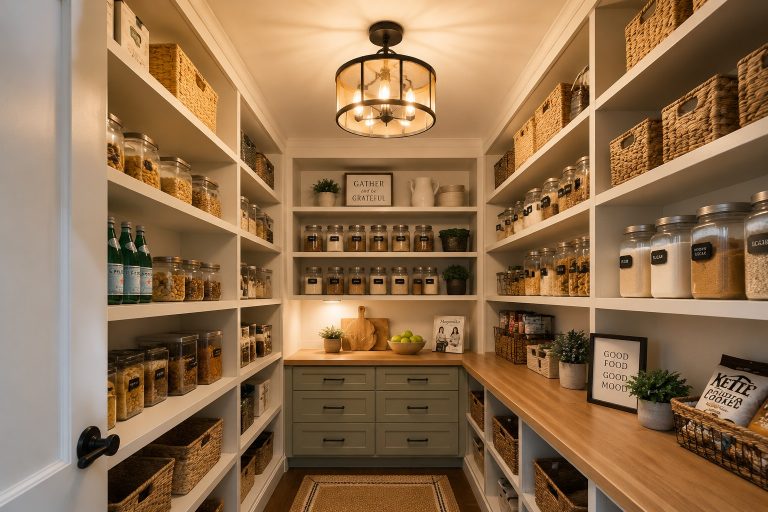
Upgrade Your Walk-In Pantry with a Stylish Ceiling Lamp
June 15, 2026
Editors' Choice
Creating a Safe and Playful Space with Children’s Furniture
February 15, 2023
Elegant Smoked Crystal Rectangular Dining Chandelier
May 13, 2026